A skin cancer diagnosis on the face can bring many concerns, especially about scarring and changes to your appearance. Fortunately, superficial radiation therapy (SRT) may offer a nonsurgical treatment option for certain types of skin cancer, with the goal of treating cancer while preserving surrounding healthy tissue.
If you are researching srt for facial skin cancer scarless treatment, it is important to understand how this therapy works, which skin cancers it may treat, and what results you can realistically expect. At Unified Health, understanding your treatment options can help you make informed decisions about your skin health and appearance.
Although SRT may reduce the need for surgical incisions, no skin cancer treatment can guarantee a completely scarless result. The best approach depends on the cancer’s type, size, depth, location, and risk of recurrence.
What Is SRT for Facial Skin Cancer?
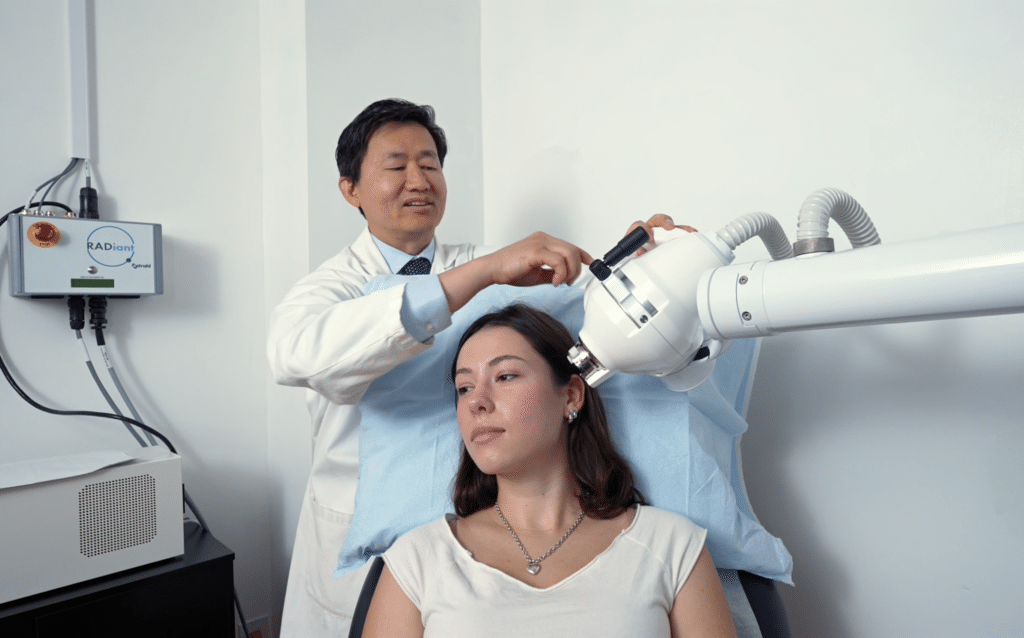
Superficial radiation therapy is a treatment that uses carefully controlled, low-energy X-rays to target cancer cells in the outer layers of the skin. Unlike traditional surgery, SRT does not require cutting out the tumor or closing the wound with stitches.
A specialized device delivers radiation to the treatment area. The goal is to damage the cancer cells so they stop growing and eventually die, while limiting exposure to deeper tissues.
Which Skin Cancers Can SRT Treat?
SRT may be considered for selected cases of:
- Basal cell carcinoma (BCC): The most common type of skin cancer, which often develops on sun-exposed areas such as the nose, forehead, and cheeks.
- Squamous cell carcinoma (SCC): A skin cancer that may grow more aggressively and requires careful evaluation before treatment selection.
Not every skin cancer is appropriate for SRT. Treatment decisions depend on the cancer’s risk category, depth, location, and other clinical features. A dermatologist or qualified skin cancer specialist should evaluate the lesion and confirm the diagnosis, usually through a skin biopsy.
Can SRT Treat Facial Skin Cancer Without Scars?
The possibility of avoiding a surgical scar is one reason patients explore SRT. Because the treatment does not involve cutting into the skin, it can avoid the linear scar associated with an incision and stitches.
However, scarless skin cancer treatment is not guaranteed.
Radiation can cause temporary or lasting skin changes, including:
- Redness and irritation
- Dryness, peeling, or crusting
- Changes in skin color
- Small visible blood vessels
- Thinning or textural changes in the treated area
- Rarely, delayed healing or ulceration
These effects vary from person to person. Some patients heal with minimal visible changes, while others develop lasting cosmetic effects.
Facial areas such as the nose, eyelids, lips, and ears require special care because both appearance and function matter. Your provider should discuss the potential cosmetic outcome alongside the likelihood of cancer control.
Benefits of Superficial Radiation Therapy
For appropriately selected patients, SRT may offer several benefits.
No Surgical Incision
SRT avoids the need to cut out the cancer, which may be appealing to patients concerned about visible scars or who prefer to avoid surgery.
Outpatient Treatment
Sessions are generally performed in an outpatient setting. Treatment is typically painless during delivery, although skin irritation can develop over time.
Potential Option for Certain Patients
SRT may be considered for some patients who cannot undergo surgery or who prefer a nonsurgical approach after reviewing the risks and benefits with their care team.
Treatment Focused on the Skin
SRT targets superficial tissue, making it suitable for selected cancers limited to the appropriate skin depth. However, it is not appropriate for every facial lesion or every skin cancer.
SRT vs. Mohs Surgery: Which Is Better?
Mohs micrographic surgery is a specialized procedure that removes skin cancer layer by layer while examining the tissue under a microscope. It is often recommended for facial skin cancers because it provides immediate assessment of surgical margins and helps preserve healthy tissue.
SRT differs because it treats cancer with radiation rather than physically removing it.
| Feature | SRT | Mohs surgery |
| Treatment method | Targeted radiation | Surgical removal |
| Incision required | No | Yes |
| Tissue examined during treatment | No complete surgical margin assessment | Yes, during surgery |
| Treatment schedule | Usually multiple sessions | Often completed in one visit |
| Cosmetic outcome | May avoid an incision scar, but skin changes are possible | Scarring is possible; reconstruction may be needed |
Neither treatment is best for everyone. Mohs surgery is often preferred for high-risk facial skin cancers, while SRT may be an option for carefully selected cases. Your specialist should explain why a particular treatment is appropriate for your diagnosis.
What to Expect During SRT Treatment
Your treatment journey generally begins with a consultation, a review of your medical history, and confirmation of the skin cancer diagnosis.
If SRT is appropriate, your provider will develop a treatment plan based on the lesion’s size, depth, and location. Treatment is delivered over multiple sessions, with the exact number and schedule depending on the cancer and the protocol used.
During treatment, you may notice gradual redness, tenderness, or dryness in the treated area. These reactions can continue for a period after the final session.
To support healing:
- Follow your provider’s skin care instructions.
- Protect the treated area from direct sunlight.
- Avoid picking at crusts or irritated skin.
- Attend all scheduled follow-up visits.
- Report worsening pain, open sores, or other concerning changes.
Long-term monitoring remains important because skin cancer can recur, and having one skin cancer increases the risk of developing another.
Who Is a Good Candidate for SRT?
SRT may be appropriate for patients with certain low-risk, superficial basal cell or squamous cell carcinomas when surgery is not preferred or is medically unsuitable.
It may be less appropriate for aggressive tumors, deeply invasive cancers, cancers involving important structures, or lesions with features that make complete surgical margin assessment especially important.
Your specialist should consider your overall health, treatment preferences, the cancer’s location, and the likelihood of long-term control. A treatment that offers cosmetic benefits is only a good choice if it also provides appropriate cancer management.
Three Takeaways for Patients Considering SRT
- Ask about your cancer type and risk level. A biopsy and specialist evaluation help determine which treatments are appropriate.
- Discuss realistic cosmetic outcomes. SRT avoids an incision but cannot guarantee scarless healing or eliminate the risk of lasting skin changes.
- Prioritize effective cancer treatment and follow-up. Compare SRT with Mohs surgery and other suitable options before making a decision.
Schedule a Skin Cancer Consultation With Unified Health
You deserve a treatment plan that considers both your health and your concerns about facial appearance. If you have been diagnosed with facial skin cancer or want to explore nonsurgical treatment options, Unified Health can help you take the next step toward an informed decision.
Schedule a consultation with Unified Health:
https://www.unifiedhealthusa.com/online-booking
Medical Disclaimer: This article is for informational purposes only and does not replace professional medical advice, diagnosis, or treatment. Skin cancer treatment should be guided by a qualified healthcare professional who can evaluate your individual condition. Never delay seeking medical care because of information in this article.