If you have been diagnosed with skin cancer, understanding your treatment options can feel overwhelming. SRT vs Mohs surgery for skin cancer is an important comparison for patients with certain basal cell carcinoma (BCC) or squamous cell carcinoma (SCC). Both approaches can be effective for appropriately selected cancers, but they work in very different ways.
Superficial Radiation Therapy (SRT) uses targeted radiation to damage and destroy cancer cells without surgically removing the tumor. Mohs micrographic surgery is a specialized procedure that removes cancerous tissue layer by layer while examining each layer under a microscope.
The right treatment depends on the type, size, location, depth, and characteristics of the skin cancer, as well as your overall health and personal preferences.
What Is Superficial Radiation Therapy (SRT)?
SRT is a non-surgical treatment that uses low-energy radiation directed at a superficial skin cancer. The goal is to destroy cancer cells while limiting exposure to surrounding tissue.
SRT may be considered for some non-melanoma skin cancers, particularly when surgery may be less desirable because of the tumor’s location, the patient’s medical situation, or other factors.
Potential advantages may include:
- No surgical incision
- No stitches or surgical wound
- Treatment performed during scheduled outpatient visits
- May be useful for patients who are not good surgical candidates
- Can avoid some of the immediate cosmetic concerns associated with excision
SRT does, however, usually require a series of treatment sessions rather than one surgical visit. Skin reactions such as redness, irritation, or changes in pigmentation can also occur.
What Is Mohs Surgery?
Mohs surgery is a specialized technique designed to remove skin cancer while preserving as much healthy tissue as possible. During the procedure, the surgeon removes the visible tumor along with a thin layer of surrounding tissue.
That tissue is examined under a microscope. If cancer cells remain at the edges, another thin layer is removed and examined. This process continues until no cancer cells are seen in the examined margins.
Mohs surgery is commonly used for skin cancers that:
- Are located in cosmetically or functionally important areas
- Have poorly defined borders
- Are aggressive or recurrent
- Require maximum tissue preservation
- Have a higher risk of recurrence based on their characteristics
Because the tissue margins are checked during the procedure, Mohs allows the surgeon to confirm that the examined margins are clear before reconstruction or closure.
SRT vs Mohs Surgery for Skin Cancer: Key Differences
When comparing SRT vs Mohs surgery for skin cancer, it helps to understand that these treatments use completely different approaches.
| Factor | SRT | Mohs Surgery |
| Treatment type | Radiation therapy | Surgery |
| Incision | No surgical incision | Yes |
| Tissue removed | No | Yes |
| Margin examination | Not performed through surgical margin analysis | Examined during surgery |
| Treatment schedule | Usually multiple sessions | Often completed in one procedure |
| Recovery | Skin reaction may develop during treatment | Wound healing is required |
| Tissue preservation | No tissue is surgically removed | Designed to preserve healthy tissue |
Neither treatment is automatically appropriate for every patient. Skin cancer treatment should be individualized based on the diagnosis and clinical features of the tumor.
How Do Doctors Decide Between SRT and Mohs?
Several factors can influence the treatment discussion.
Type and Characteristics of the Cancer
BCC and SCC can have different risk levels and patterns of growth. A dermatologist or skin cancer specialist will consider the pathology report and clinical appearance before recommending treatment.
Location of the Tumor
Skin cancers on the nose, eyelids, lips, ears, hands, or other important areas may require careful planning. Mohs can be particularly useful when preserving healthy tissue is important.
Size and Depth
The size and depth of a tumor can affect whether a particular treatment is appropriate. Some superficial cancers may be candidates for radiation-based treatment, while deeper or higher-risk tumors may require another approach.
Overall Health and Personal Preferences
Your medical history, ability to undergo a procedure, previous treatments, and preferences may also play a role.
A consultation allows your physician to explain the expected benefits, limitations, risks, cosmetic considerations, and follow-up requirements of each option.
What About Recovery and Cosmetic Results?
Recovery varies considerably.
With Mohs surgery, healing depends on the size and location of the surgical wound and whether stitches, a skin graft, or another form of reconstruction is needed.
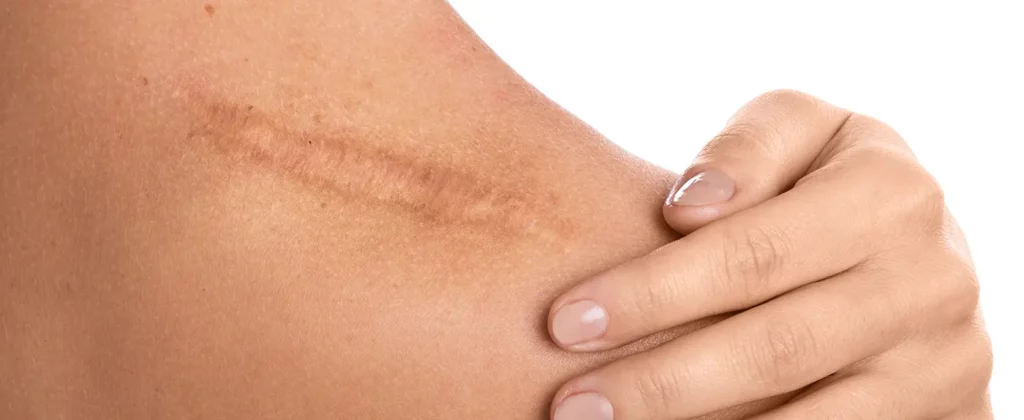
With SRT, there is no surgical wound, but the treated skin may become red, irritated, tender, or scaly during or after treatment. Longer-term changes in skin color or texture can also occur.
Discuss cosmetic expectations with your physician before treatment, particularly when the cancer is located on the face or another highly visible area.
3 Key Takeaways
- SRT and Mohs treat skin cancer in different ways. SRT uses targeted radiation, while Mohs removes cancerous tissue layer by layer and examines the margins.
- The best option depends on the cancer and the patient. Tumor type, location, size, depth, recurrence risk, overall health, and treatment preferences all matter.
- Get an individualized evaluation. A qualified skin cancer specialist can determine whether SRT, Mohs surgery, or another treatment approach is appropriate for your diagnosis.
Schedule a Skin Cancer Consultation
If you have been diagnosed with skin cancer or want to understand your treatment options, Unified Health can help you explore an individualized plan. Schedule a consultation today:
www.unifiedhealthusa.com/online-booking
Medical Disclaimer: This article is for informational purposes only and does not replace professional medical advice, diagnosis, or treatment. Always consult a qualified healthcare professional for advice regarding your individual medical condition.