If you have been diagnosed with skin cancer, the thought of surgery, stitches, or a long recovery may feel overwhelming. Fortunately, painless skin cancer treatment SRT offers a non-surgical treatment option for certain types of skin cancer. Superficial Radiation Therapy (SRT) uses carefully targeted radiation to treat cancerous skin cells while limiting exposure to deeper healthy tissue.
For appropriate patients, SRT may provide effective treatment without cutting the skin or requiring surgical removal of the tumor.
What Is Painless Skin Cancer Treatment SRT?
Superficial Radiation Therapy, commonly called SRT, is a non-invasive treatment that uses low-energy radiation directed at skin cancer near the surface of the skin.
Unlike traditional surgery, SRT does not require an incision. This means there are generally no surgical stitches and no wound created by cutting out the cancer.
SRT may be considered for certain common skin cancers, including:
- Basal cell carcinoma (BCC)
- Squamous cell carcinoma (SCC)
- Some other superficial skin cancers in carefully selected patients
Your dermatologist or cancer specialist will evaluate the type, size, location, and characteristics of your skin cancer before determining whether SRT is appropriate.
How Does SRT Treat Skin Cancer?
SRT works by delivering controlled doses of radiation directly to the area containing cancerous cells. The goal is to damage the DNA of those abnormal cells so they can no longer grow and multiply.
Treatment is carefully planned based on the individual tumor. The radiation is focused on the superficial layers of the skin, which helps minimize radiation exposure to deeper tissues.
What Happens During Treatment?
SRT treatments are performed in an outpatient setting. During a treatment session:
- You are positioned comfortably.
- The treatment area is identified and prepared.
- A specialized device delivers radiation to the affected area.
- The treatment itself is typically brief.
- You can generally leave shortly afterward.
Because there is no surgical incision, patients do not experience the cutting and suturing associated with traditional skin cancer surgery.
Is SRT Really Painless?
Many patients find SRT treatment itself comfortable because there is no cutting, injection, or surgical wound involved. However, individual experiences can vary.
Although treatment may be painless, the skin can develop temporary reactions as treatment progresses. Depending on the treatment plan and individual response, these may include:
- Redness
- Dryness
- Irritation
- Tenderness
- Changes in skin color
- Temporary skin peeling
Your healthcare provider can recommend appropriate skin care during treatment to help manage these effects.
Benefits of SRT for Certain Skin Cancer Patients
For patients who are good candidates, SRT can offer several potential advantages.
Non-surgical treatment: SRT does not require cutting out the tumor, which may be appealing to patients who want to avoid surgery.
No stitches: Because there is no incision, there are no surgical sutures to remove.
No surgical wound: SRT avoids creating an open wound associated with some surgical procedures.
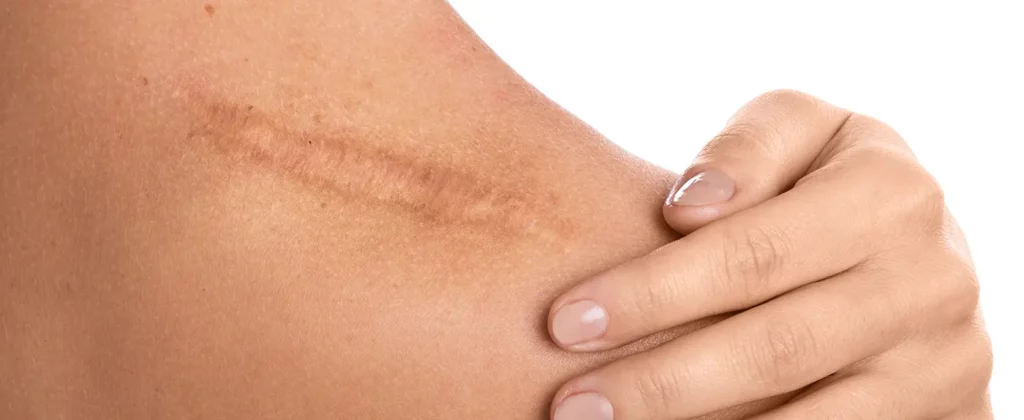
Potential cosmetic benefits: SRT may be an option for some patients concerned about the appearance of a surgical scar, particularly when treating visible areas. However, skin changes can still occur after radiation treatment.
Outpatient care: Treatment is generally performed without a hospital stay.
Who May Be a Candidate for SRT?
SRT is not right for every skin cancer patient. Your healthcare provider may consider factors such as:
- The type of skin cancer
- Tumor size and depth
- Location of the cancer
- Whether the cancer is recurrent
- Your overall health and treatment goals
- Whether surgery or another treatment would be more appropriate
For some patients, Mohs surgery or standard surgical excision may provide the preferred treatment. A thorough evaluation is important before choosing a treatment approach.
What Should You Ask Your Dermatologist?
If you are considering SRT, ask your healthcare provider:
- Is my skin cancer appropriate for SRT?
- What treatment options are available?
- How many treatment sessions might I need?
- What side effects should I expect?
- How will my skin be monitored after treatment?
- What are the potential cosmetic effects?
- Would surgery, Mohs surgery, or another treatment be more appropriate for my cancer?
Understanding your options can help you participate in an informed treatment decision.
3 Key Takeaways About Painless Skin Cancer Treatment SRT
- SRT is a non-invasive treatment option that may be appropriate for certain superficial skin cancers.
- Treatment does not involve cutting or stitches, although temporary skin reactions can occur.
- Not every skin cancer is suitable for SRT, so an individualized evaluation by a qualified healthcare professional is essential.
Explore Your Skin Cancer Treatment Options
If you have been diagnosed with skin cancer and are interested in learning whether painless skin cancer treatment SRT may be appropriate for you, Unified Health can help you understand your treatment options.
Schedule a consultation with Unified Health:
www.unifiedhealthusa.com/online-booking
Medical Disclaimer: This article is for informational purposes only and does not replace professional medical advice, diagnosis, or treatment. Always consult a qualified healthcare professional for an evaluation and personalized treatment recommendations.