If you struggle with constant sweating that soaks through clothing, makes handshakes uncomfortable, or interferes with daily life, you’re not alone. Hyperhidrosis treatment options have helped millions of people manage excessive sweating and regain their confidence. While sweating is a normal way for your body to cool itself, hyperhidrosis causes sweating far beyond what your body needs.
The good news is that excessive sweating is a treatable medical condition. From prescription medications to advanced procedures, there are many effective treatments available. Understanding your options can help you find the right solution and improve your quality of life.
What Is Hyperhidrosis?
Hyperhidrosis is a condition that causes excessive sweating, even when you are not exercising or exposed to heat. It affects approximately 2–3% of people and can occur at any age.
There are two main types:
- Primary focal hyperhidrosis: Usually affects the hands, feet, underarms, or face without an underlying medical cause.
- Secondary hyperhidrosis: Results from another medical condition or certain medications and often affects larger areas of the body.
Common Symptoms
People with hyperhidrosis may experience:
- Excessive sweating several times each week
- Sweat soaking through clothing
- Wet palms or feet
- Difficulty gripping objects
- Skin irritation or infections
- Social anxiety or embarrassment
If sweating disrupts your daily activities, it’s time to talk with a dermatologist.
Hyperhidrosis Treatment Options That Really Work
Several hyperhidrosis treatment options can significantly reduce sweating. Your dermatologist will recommend treatment based on the severity and location of your symptoms.
1. Prescription Antiperspirants
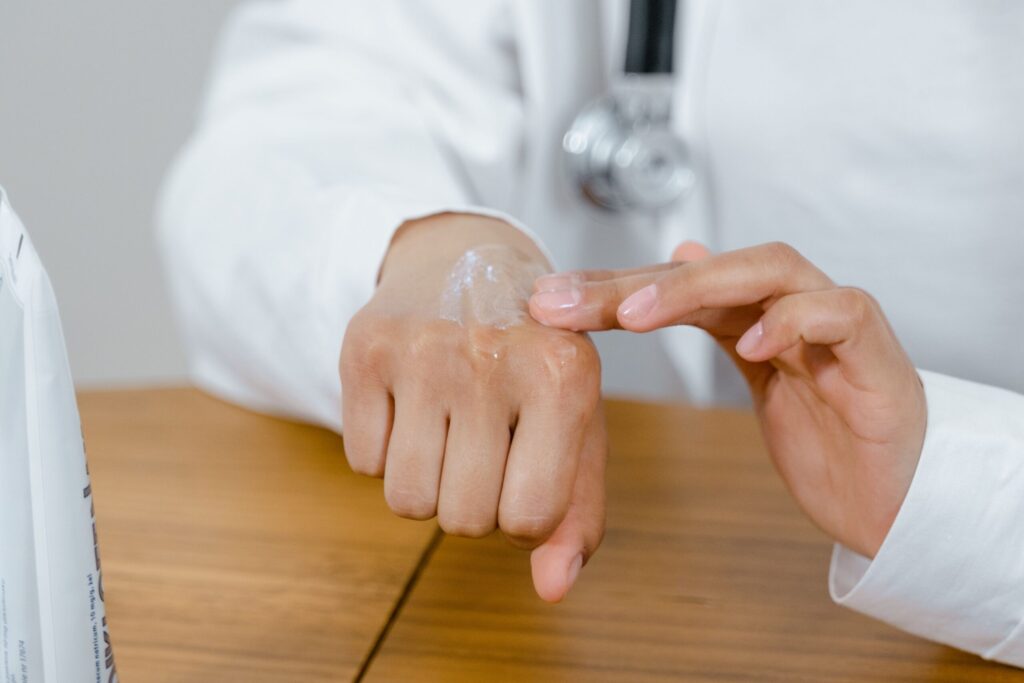
Prescription-strength antiperspirants containing aluminum chloride are often the first treatment.
They work by temporarily blocking sweat glands and are especially helpful for:
- Underarm sweating
- Hand sweating
- Foot sweating
These products are usually applied at night for the best results.
2. Topical Prescription Medications
New prescription creams and wipes can reduce sweating by blocking the nerve signals that activate sweat glands.
These medications are commonly used for:
- Underarms
- Face
- Other localized areas
They can be an excellent option for people who cannot tolerate prescription antiperspirants.
3. Oral Medications
Some patients benefit from oral medications called anticholinergics, which reduce sweat production throughout the body.
These medications may help people with widespread sweating but can cause side effects such as:
- Dry mouth
- Blurred vision
- Constipation
Your dermatologist will determine if these medications are appropriate for you.
Advanced Treatments for Excessive Sweating
When conservative treatments don’t provide enough relief, more advanced therapies may be recommended.
Botulinum Toxin (Botox®) Injections
Botulinum toxin temporarily blocks the nerves that stimulate sweat glands.
This treatment is FDA-approved for excessive underarm sweating and is also commonly used for:
- Hands
- Feet
- Forehead
Benefits include:
- Results within about one week
- Significant sweat reduction
- Relief lasting approximately 4–6 months
Microwave Therapy
Microwave therapy permanently destroys sweat glands in the underarms using controlled heat energy.
Advantages include:
- Long-lasting improvement
- Minimal downtime
- Reduced need for ongoing treatments
Iontophoresis
Iontophoresis uses a mild electrical current delivered through water to temporarily reduce sweating.
This treatment is especially effective for:
- Sweaty hands
- Sweaty feet
Many patients perform maintenance treatments at home after receiving instructions from their healthcare provider.
Surgery
For severe cases that do not respond to other therapies, surgery may be considered.
Options include:
- Removal of sweat glands
- Endoscopic thoracic sympathectomy (ETS), which interrupts the nerves responsible for excessive sweating
Because surgery carries greater risks, it is generally reserved for carefully selected patients.
Lifestyle Tips to Help Reduce Sweating
Although lifestyle changes cannot cure hyperhidrosis, they may help minimize symptoms.
Consider these simple strategies:
- Wear breathable, moisture-wicking clothing
- Choose shoes that allow airflow
- Use absorbent socks and change them regularly
- Apply antiperspirant consistently
- Carry extra clothing when needed
- Stay hydrated
- Identify foods or drinks that trigger sweating, such as spicy foods or caffeine
Small adjustments can make everyday life more comfortable.
When Should You See a Dermatologist?
Many people assume excessive sweating is something they simply have to live with—but that’s not true.
Schedule an evaluation if:
- Sweating interferes with work or school
- You avoid social situations because of sweating
- Over-the-counter products no longer help
- Sweating suddenly becomes much worse
- Night sweats occur without an obvious reason
A dermatologist can determine whether your sweating is primary hyperhidrosis or a sign of another medical condition and recommend the most appropriate treatment plan.
Finding the Right Hyperhidrosis Treatment
The best treatment depends on several factors, including:
- The area of the body affected
- The severity of sweating
- Your medical history
- Previous treatments you’ve tried
- Your lifestyle and personal preferences
Many patients achieve excellent results by combining multiple therapies under the guidance of a dermatologist.
Takeaways
- Hyperhidrosis is a common and treatable medical condition that goes beyond normal sweating.
- There are many effective hyperhidrosis treatment options, including prescription antiperspirants, medications, Botox injections, iontophoresis, and advanced procedures.
- Early evaluation by a dermatologist can improve your comfort, confidence, and quality of life.
Schedule Your Consultation with Unified Health
If excessive sweating is affecting your daily life, you don’t have to manage it alone. The dermatology team at Unified Health offers personalized evaluations and evidence-based treatment plans designed to help you find lasting relief.
Schedule your consultation today:
www.unifiedhealthusa.com/online-booking
Medical Disclaimer: This article is intended for informational and educational purposes only and should not be considered medical advice. It is not a substitute for professional evaluation, diagnosis, or treatment by a qualified healthcare provider. Always consult your physician or dermatologist regarding any medical concerns or before beginning a new treatment.