A skin cancer diagnosis can feel overwhelming, especially for older adults who may have other health conditions or concerns about surgery. Fortunately, non invasive skin cancer treatment for seniors may be an option in certain situations. Depending on the type, size, location, and stage of the cancer, treatments such as superficial radiation therapy, topical medications, cryotherapy, or photodynamic therapy may be considered.
The right treatment depends on an individual medical evaluation. While surgery remains an important and often preferred treatment for many skin cancers, nonsurgical approaches can be useful when surgery may be difficult or medically unsuitable.
Why Seniors May Consider Non Invasive Skin Cancer Treatment
As we age, managing skin cancer may involve more than simply removing the tumor. Your dermatologist may also consider your overall health, medications, mobility, ability to heal, and personal treatment preferences.
For some older adults, avoiding an operation may be particularly important if they:
- Have medical conditions that increase surgical risk
- Take medications that affect bleeding or healing
- Have difficulty with anesthesia or lengthy procedures
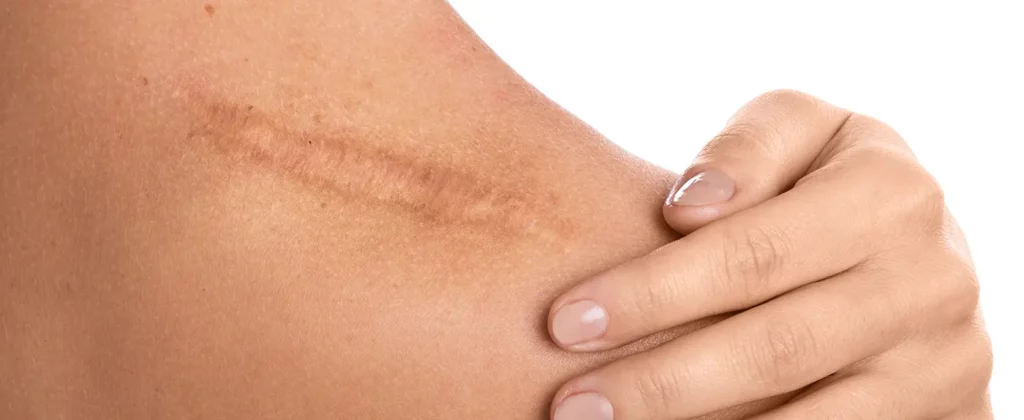
- Have a tumor in an area where surgery could create a significant wound
- Prefer a treatment that does not involve an incision
Importantly, being a senior does not automatically mean surgery should be avoided. Treatment should be based on the specific cancer and the patient’s overall health rather than age alone.
Non Invasive Skin Cancer Treatment for Seniors: Available Options
Several nonsurgical treatments may be appropriate for carefully selected skin cancers.
Superficial Radiation Therapy
Superficial radiation therapy (SRT) uses targeted radiation to treat cancer cells near the surface of the skin. It may be considered for certain basal cell and squamous cell skin cancers, particularly when a patient cannot undergo surgery or when surgery would be difficult.
Treatment generally involves multiple sessions over a period of days or weeks. Because the radiation is directed toward the treatment area, the goal is to treat the tumor while limiting exposure to surrounding tissue.
Radiation can cause temporary skin reactions such as redness, itching, peeling, or soreness. Your medical team can provide specific instructions for caring for the treated area.
Topical Medications
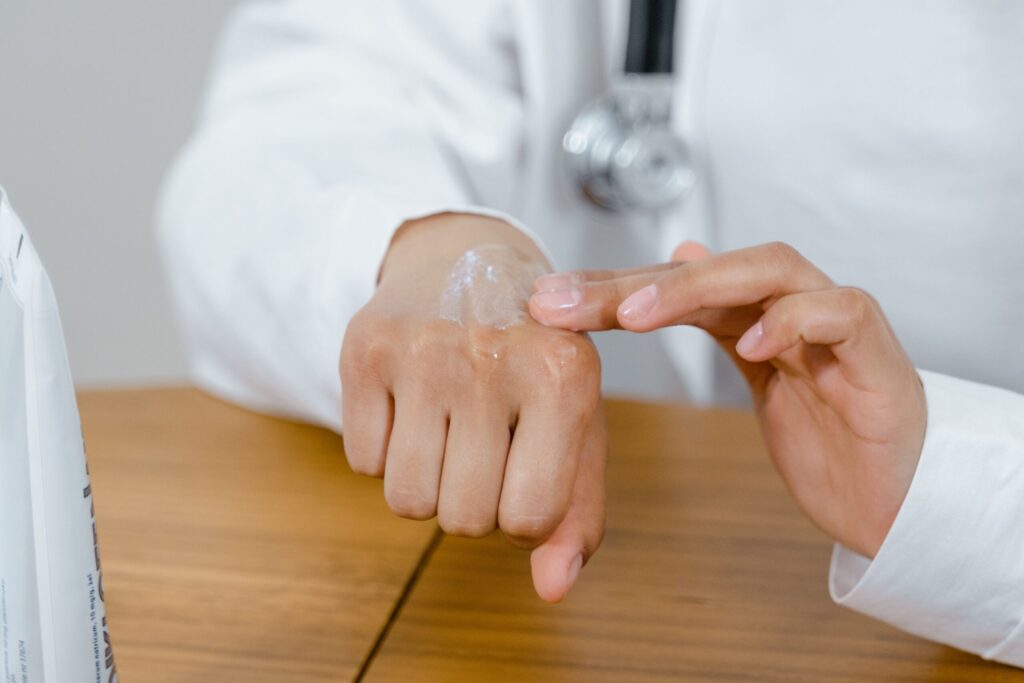
Certain superficial skin cancers may be treated with prescription creams. For example, imiquimod and fluorouracil (5-FU) are FDA-approved for selected superficial basal cell carcinomas. These treatments work on abnormal cells in the outer layers of the skin.
Topical therapy is not appropriate for every skin cancer. Your dermatologist must determine whether the cancer’s type, depth, and location make this approach safe.
Cryotherapy
Cryotherapy uses extreme cold, usually liquid nitrogen, to destroy abnormal or cancerous skin cells. It can be performed during an office visit and does not require a surgical incision.
This treatment may be appropriate for certain low-risk lesions. After treatment, the area may blister, crust, or heal over time.
Photodynamic Therapy
Photodynamic therapy (PDT) combines a medication applied to the skin with a special light that activates the medication. This can destroy abnormal cells in selected superficial skin conditions.
PDT is not appropriate for every type of skin cancer, so proper diagnosis and treatment planning are essential.
How Doctors Choose the Right Treatment
Before recommending non invasive skin cancer treatment for seniors, your dermatologist will typically consider:
- Cancer type: Basal cell carcinoma, squamous cell carcinoma, and other cancers require different approaches.
- Tumor size and depth: Deeper or higher-risk cancers may require more extensive treatment.
- Location: Cancers on the nose, ears, eyelids, lips, or other sensitive areas may require specialized planning.
- Overall health: Other medical conditions can influence treatment choices.
- Previous treatments: A recurrent skin cancer may require a different approach.
- Patient preferences: Your concerns about recovery, appearance, treatment time, and convenience are important.
For basal cell and squamous cell carcinoma, professional guidelines emphasize that nonsurgical treatments generally have lower cure rates than surgical treatment and are typically considered for selected low-risk cancers or when surgery is not appropriate.
What Seniors Should Know Before Treatment
Do not assume that a treatment described as “non invasive” has no risks or side effects. Every cancer treatment has potential benefits and limitations.
Ask your dermatologist:
- What type of skin cancer do I have?
- How deep or aggressive is it?
- Why is this treatment appropriate for me?
- What are my alternatives?
- How many treatments will I need?
- What side effects should I expect?
- How will we monitor the area afterward?
Regular follow-up is also important because people who develop one skin cancer have an increased risk of developing another. Dermatology guidelines recommend ongoing skin examinations after treatment.
3 Takeaways for Seniors
- Know your options: Some skin cancers can be treated without traditional surgery, depending on the cancer and your health.
- Ask about personalized treatment: Your age, medical history, cancer type, location, and treatment goals should all be considered.
- Keep up with follow-up care: Regular dermatology visits and sun protection can help identify new or recurring skin cancers early.
If you or a loved one has been diagnosed with skin cancer and would like to explore personalized treatment options, Unified Health can help you understand the choices available for your situation.
Schedule a consultation with Unified Health:
www.unifiedhealthusa.com/online-booking
Medical Disclaimer: This article is for informational purposes only and does not replace professional medical advice, diagnosis, or treatment. Always consult a qualified healthcare professional for recommendations specific to your condition.