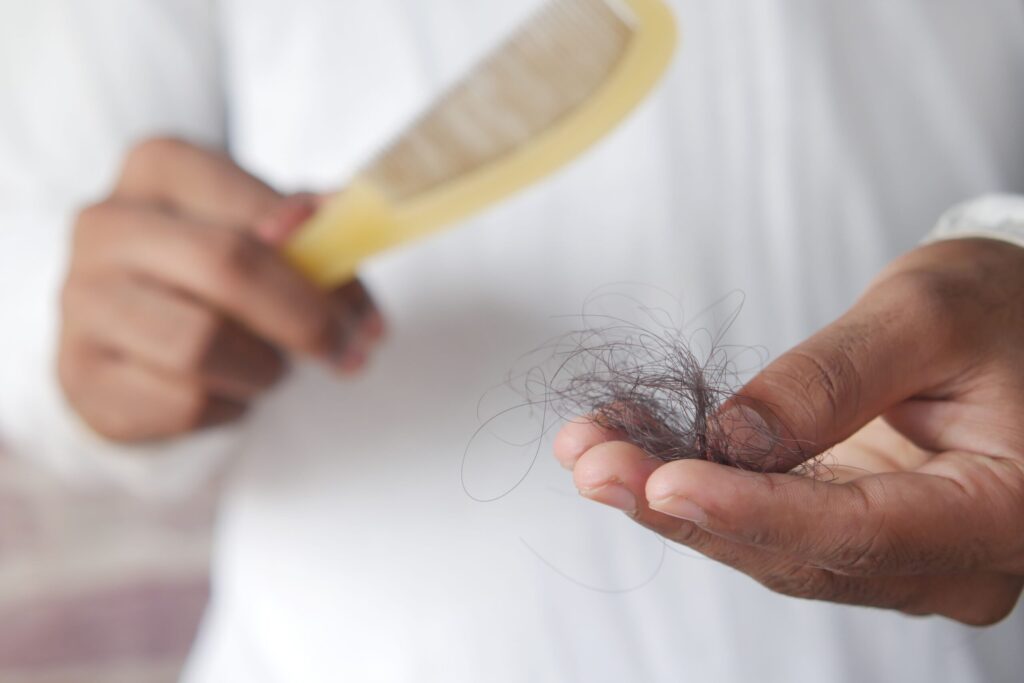
Hair loss can be frustrating, emotional, and sometimes overwhelming. The good news is that many alopecia hair loss treatments can help slow hair loss, encourage regrowth, and improve overall scalp health. The right treatment depends on the type of alopecia, how long you’ve been experiencing hair loss, and your overall health.
If you’ve noticed thinning hair, bald patches, or excessive shedding, don’t wait to seek medical advice. Early diagnosis often leads to better treatment outcomes.
Understanding Alopecia and Hair Loss
Alopecia is the medical term for hair loss. It can affect the scalp, eyebrows, eyelashes, or other areas of the body. While some hair loss is temporary, other forms may require ongoing medical treatment.
Common types of alopecia include:
- Androgenetic alopecia (male and female pattern hair loss)
- Alopecia areata (an autoimmune condition causing patchy hair loss)
- Telogen effluvium (temporary shedding after illness, stress, or childbirth)
- Scarring alopecia (hair follicles are permanently damaged)
- Traction alopecia (caused by tight hairstyles)
Because each condition has different causes, identifying the correct diagnosis is the first step toward choosing the most effective treatment.
Alopecia Hair Loss Treatments That May Help
There is no one-size-fits-all solution. Modern alopecia hair loss treatments are tailored to the specific type of hair loss and individual patient needs.
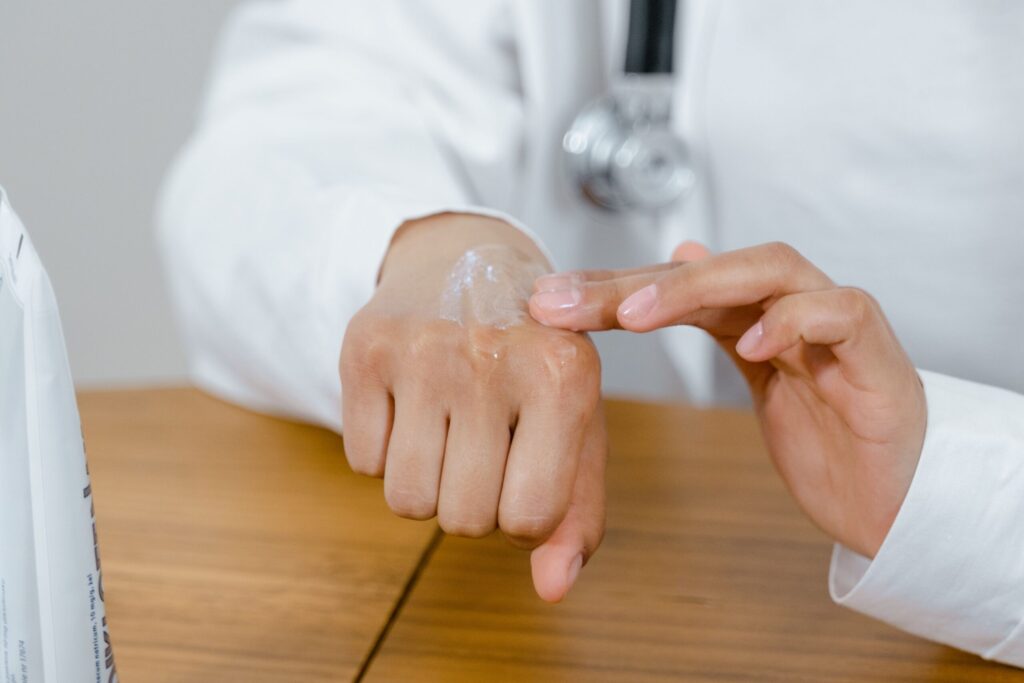
Topical Medications
Topical treatments are often the first option for many patients.
Examples include:
- Minoxidil, which can help stimulate hair growth
- Prescription topical medications for certain inflammatory scalp conditions
- Medicated shampoos that improve scalp health
These treatments usually require consistent use over several months before noticeable improvement occurs.
Oral Medications
Some patients benefit from prescription medications that address the underlying cause of hair loss.
Depending on your diagnosis, your dermatologist may recommend medications that:
- Reduce hormone-related hair loss
- Suppress autoimmune activity
- Treat nutritional deficiencies
- Manage underlying medical conditions affecting hair growth
Never begin prescription hair loss medication without medical supervision.
Corticosteroid Treatments
For alopecia areata, corticosteroids may reduce inflammation and encourage hair regrowth.
Treatment options include:
- Corticosteroid injections
- Prescription creams
- Oral corticosteroids in select cases
Many patients experience regrowth within several months, although recurrence is possible.
Advanced Hair Restoration Options
When standard treatments aren’t enough, advanced therapies may provide additional benefits.
Platelet-Rich Plasma (PRP)
PRP therapy uses concentrated platelets from your own blood to support hair follicles and stimulate growth.
Potential benefits include:
- Increased hair density
- Reduced shedding
- Improved hair thickness
- Minimal downtime
PRP often works best when combined with other hair loss treatments.
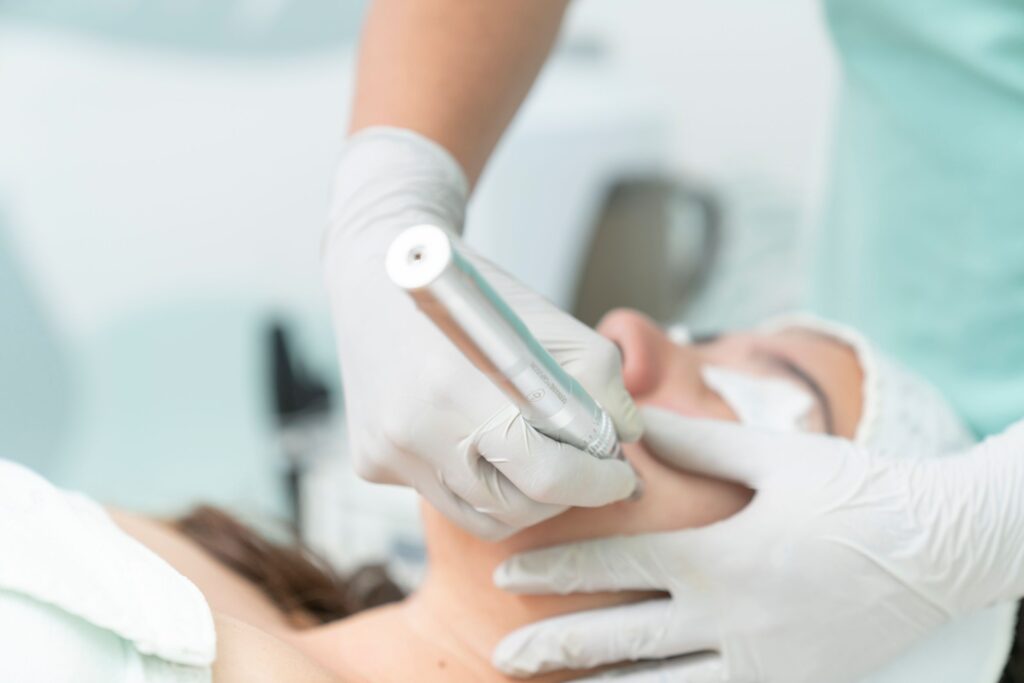
Low-Level Laser Therapy (LLLT)
Low-level laser therapy uses specific wavelengths of light to stimulate hair follicles.
Research suggests it may help:
- Improve circulation to hair follicles
- Encourage new hair growth
- Slow ongoing hair thinning
Many patients use laser devices at home or receive treatments in a medical office.
Hair Transplant Surgery
Hair transplantation may be appropriate for patients with stable pattern hair loss who have enough healthy donor hair.
Modern techniques create natural-looking results by relocating healthy hair follicles to thinning areas.
A consultation with a qualified specialist can determine whether surgery is a suitable option.
Lifestyle Changes That Support Healthy Hair Growth
Medical treatment works best when paired with healthy lifestyle habits.
Consider these strategies:
- Eat a balanced diet rich in protein, iron, zinc, and vitamins.
- Manage stress through exercise, mindfulness, or counselling.
- Avoid harsh chemical treatments that damage hair.
- Limit heat styling whenever possible.
- Treat underlying medical conditions such as thyroid disorders or nutritional deficiencies.
- Use gentle hair care products designed for sensitive scalps.
While lifestyle changes alone may not reverse alopecia, they can improve overall scalp health and support treatment success.
When Should You See a Dermatologist?
Hair loss should not be ignored, especially if it develops suddenly or continues to worsen.
Schedule an evaluation if you notice:
- Sudden patches of baldness
- Excessive daily hair shedding
- A widening part
- Receding hairline
- Scalp itching, pain, redness, or scaling
- Hair loss after illness or medication changes
A dermatologist can perform a detailed examination and may recommend blood work, scalp imaging, or a biopsy to determine the cause.
Early diagnosis often leads to more treatment options and better long-term results.
What to Expect During Your Hair Loss Evaluation
During your appointment, your provider will discuss:
- Your medical history
- Family history of hair loss
- Current medications
- Recent illnesses or stress
- Hair care habits
- Duration and pattern of hair loss
Your personalised treatment plan may combine several therapies for the best possible outcome.
Remember that hair regrowth takes time. Most treatments require consistent use for three to six months before meaningful improvement becomes visible.
Take the First Step Toward Healthier Hair
Experiencing hair loss can affect confidence and quality of life, but effective treatments are available. Whether your hair loss is caused by genetics, autoimmune disease, hormonal changes, or another condition, a personalised treatment plan can make a significant difference.
Three Actionable Takeaways
- Don’t ignore early signs of hair loss. Prompt evaluation can improve treatment success.
- Seek an accurate diagnosis. Different types of alopecia require different treatment approaches.
- Stay consistent with treatment. Hair regrowth is gradual, and patience is essential for achieving the best results.
Schedule Your Hair Loss Consultation Today
If you’re experiencing hair thinning, excessive shedding, or bald patches, the experienced team at Unified Health can help identify the cause and recommend evidence-based treatment options tailored to your needs.
Schedule your consultation today at www.unifiedhealthusa.com/online-booking and take the first step toward healthier hair and renewed confidence.
Medical Disclaimer: This article is for informational purposes only and should not be considered medical advice. It is not intended to diagnose, treat, cure, or prevent any medical condition. Always consult a qualified healthcare professional for personalised evaluation and treatment recommendations.