Keloids can be frustrating, especially when they grow beyond the original wound, cause itching or discomfort, or affect your confidence. While several treatments can help manage these raised scars, preventing them from returning can be challenging. SRT radiation therapy for keloids is an option that may help reduce recurrence when used after surgical removal.
At Unified Health, understanding your treatment options is an important step toward healthier skin and greater confidence. Learning how superficial radiation therapy (SRT) works, who may benefit, and what to expect can help you make an informed decision with your dermatologist.
What Is SRT Radiation Therapy for Keloids?
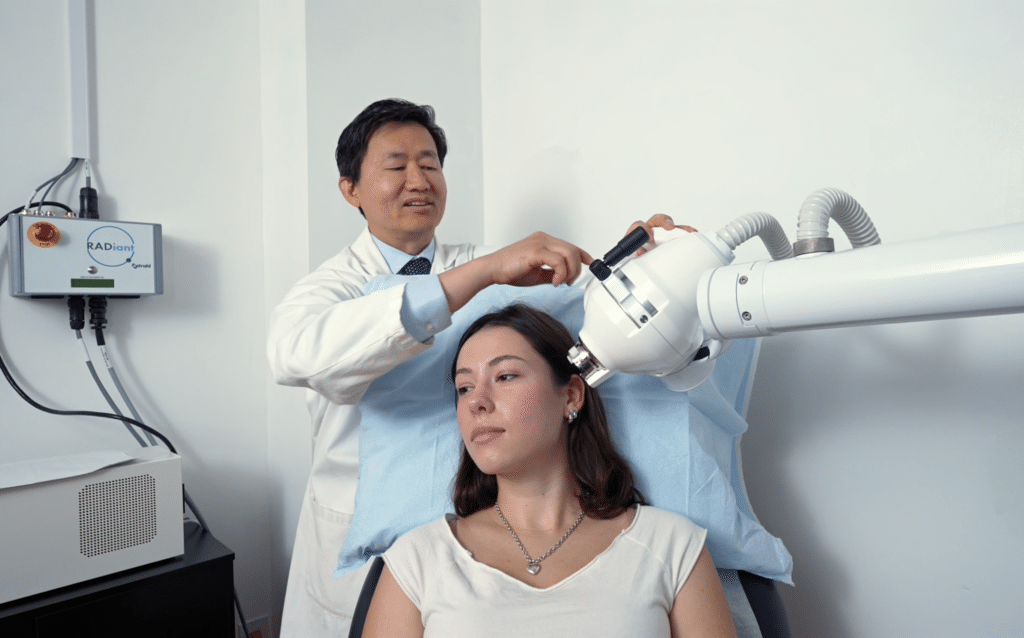
Superficial radiation therapy (SRT) is a treatment that delivers carefully controlled, low-energy X-rays to targeted areas of the skin. It is designed to treat superficial skin conditions while limiting radiation exposure to deeper tissues.
Keloids develop when the body produces too much collagen during wound healing. Unlike typical scars, they can extend beyond the original injury and continue growing over time. They may develop after acne, piercings, surgery, burns, or minor skin injuries.
SRT may be used after a dermatologist or surgeon removes a keloid. The radiation helps control the activity of cells involved in scar formation, potentially reducing the chance that the keloid will grow back.
An important distinction: SRT is most often considered an additional treatment following keloid surgery, rather than a stand-alone solution for an established keloid. Treatment plans vary depending on the scar’s size, location, history, and response to previous therapies.
How Does Superficial Radiation Therapy Help Prevent Keloids?
Keloids can return after removal because the body’s wound-healing response may continue producing excessive collagen. Even after a surgeon removes the visible scar, the underlying tendency to form a keloid can remain.
SRT targets cells involved in this process during the early stages of wound healing. When administered at the appropriate time after surgery, it may help limit excessive scar tissue formation.
What Does the Treatment Process Involve?
A typical treatment plan may include these steps:
- Consultation and evaluation: A dermatologist reviews your medical history, examines the keloid, and discusses previous treatments and possible risks.
- Keloid removal: If surgery is appropriate, the scar is removed using a technique suited to its location and size.
- Radiation treatment: SRT is generally started soon after surgery, often within 24 hours, according to the treatment protocol.
- Follow-up care: Your care team monitors the healing area for signs of recurrence, skin changes, or other complications.
The number of radiation sessions and the total dose depend on the clinical protocol and individual circumstances. Your specialist will explain the recommended schedule before treatment begins.
Benefits of SRT for Keloid Scars
For selected patients, combining surgery with superficial radiation therapy may offer several benefits.
- Lower recurrence risk: Postoperative radiation can reduce the likelihood of a keloid returning compared with surgery alone, although recurrence is still possible.
- Targeted treatment: SRT focuses on the treated skin area.
- Potential cosmetic improvement: Preventing a keloid from regrowing may help improve the long-term appearance of the affected area.
- Treatment for difficult scars: It may be considered for recurrent keloids or scars that have not responded well to other treatments.
Results vary, and no treatment can guarantee a scar-free outcome. The goal is to control excessive scar growth, relieve symptoms, and achieve the best possible appearance.
Who Is a Good Candidate for Keloid Radiation Therapy?
SRT may be an option for adults with certain keloids, especially those with a history of recurrence after removal or scars that are difficult to manage with standard treatments.
Your dermatologist may consider factors such as:
- The keloid’s size, location, and thickness
- Whether the scar has returned after previous treatment
- Your skin’s healing history
- Your medical history and individual risk factors
- Your preferences regarding treatment benefits and risks
Radiation therapy requires particular care in younger patients because of concerns about long-term radiation exposure. It may be avoided or reserved for exceptional circumstances in children and adolescents. Pregnancy and other individual medical considerations must also be discussed with the treating team.
SRT is not the only treatment for keloids. Depending on your needs, alternatives may include corticosteroid injections, silicone gel or sheets, pressure therapy, cryotherapy, laser treatments, or other combination approaches.
Risks and Side Effects of SRT for Keloids
Although superficial radiation therapy can be effective for selected patients, it is important to understand its potential risks.
Possible short-term effects include:
- Skin redness or irritation
- Dryness or peeling
- Temporary tenderness
- Changes in skin pigmentation
- Delayed wound healing in some cases
Long-term concerns may include persistent pigment changes, tissue changes, and a small potential risk of radiation-induced cancer within the treated area. The exact risk depends on factors such as age, radiation dose, treatment location, and individual health history.
Because radiation has potential long-term effects, the decision to use SRT should involve a careful discussion of benefits, alternatives, and risks with qualified specialists. Ask your treatment team how the radiation plan will protect surrounding tissue and what follow-up care you will need.
What Results Can You Expect?
The main goal of SRT following keloid removal is to reduce recurrence, not to guarantee perfect skin. Many patients heal with a flatter scar, but some may experience renewed growth or changes in skin color.
Healing and cosmetic results develop over time. Following wound-care instructions, attending follow-up visits, and reporting new itching, thickening, or raised tissue can help your care team identify potential recurrence early.
Depending on the location and characteristics of your scar, your dermatologist may recommend additional treatments to improve the final result.
3 Key Takeaways About SRT Radiation Therapy for Keloids
- Understand the treatment: SRT uses targeted superficial X-rays and is commonly considered after keloid removal to reduce the risk of recurrence.
- Weigh the benefits and risks: Radiation therapy may help selected patients, but side effects and long-term risks should be reviewed with your specialist.
- Get a personalized plan: Your scar’s location, history, and response to earlier treatments will help determine whether SRT is appropriate.
Explore Keloid Treatment Options at Unified Health
Living with a keloid can affect your comfort and confidence, but you do not have to navigate treatment options alone. The right approach begins with a professional evaluation and a plan tailored to your skin and medical history.
Schedule a consultation with Unified Health to discuss your keloid, learn about available treatment options, and determine whether superficial radiation therapy may be appropriate for you.
Book your appointment today: https://www.unifiedhealthusa.com/online-booking
Medical Disclaimer: This article is intended for informational purposes only and does not replace professional medical advice, diagnosis, or treatment. Always consult a qualified healthcare professional regarding your individual condition and treatment options.