A skin cancer diagnosis can be stressful, and many patients also worry about how surgery may affect their appearance. Mohs surgery scar reconstruction is an important part of care for some patients after skin cancer is removed. Reconstruction can help restore the skin’s appearance and, when needed, protect normal function.
Mohs micrographic surgery is designed to remove skin cancer while preserving as much healthy tissue as possible. After the cancer is completely removed, the remaining wound may heal on its own or require reconstruction, depending on its size, location, and depth.
What Is Mohs Surgery Scar Reconstruction?
Mohs surgery scar reconstruction refers to techniques used to repair or improve a surgical wound after Mohs surgery. The goal is to create the best possible functional and cosmetic result while allowing the area to heal properly.
Not every Mohs wound requires reconstruction. Smaller wounds may heal naturally through a process called second-intention healing. Other wounds may benefit from stitches, a skin graft, or a local skin flap.
The reconstruction method depends on factors such as:
- The size and depth of the wound
- The location of the skin cancer
- The amount of healthy skin available nearby
- The patient’s overall health and healing ability
- Cosmetic and functional concerns
When Is Reconstruction Needed After Mohs Surgery?
Some wounds can heal very well without additional surgery. However, reconstruction may be recommended when a wound is large, deep, or located in an area where healing could affect appearance or function.
Common Areas That May Need Reconstruction
Mohs surgery is frequently performed on areas such as the nose, eyelids, lips, ears, cheeks, and forehead. These areas have complex anatomy, so repairing the wound carefully can be especially important.
For example, reconstruction around the eyelid must protect normal eye function, while repairs near the nose should preserve the shape and ability to breathe normally.
Types of Mohs Surgery Scar Reconstruction
There are several approaches to repairing a wound after skin cancer surgery.
Primary Closure
For smaller wounds, the edges of the skin may be brought together with stitches. This is often a straightforward option when enough surrounding skin is available.
Skin Grafts
A skin graft uses healthy skin taken from another part of the body to cover the surgical wound. Grafts can be useful when there is not enough nearby skin to close the wound directly.
Local Skin Flaps
A local flap moves nearby skin into the wound while maintaining its blood supply. Because the skin comes from an adjacent area, its color and texture may closely match the surrounding tissue.
Second-Intention Healing
Some wounds are intentionally left open to heal naturally. The body gradually fills the wound with new tissue and skin. This approach can provide excellent results in carefully selected areas.
What Can You Expect From a Mohs Surgery Scar?
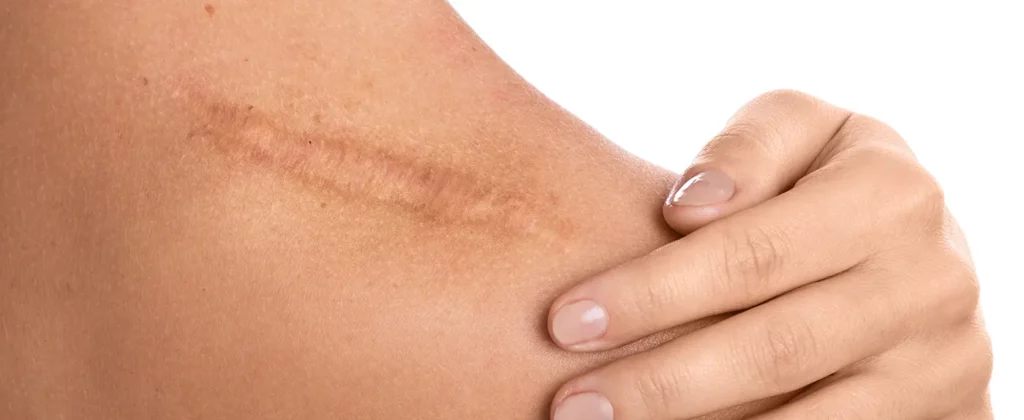
Scarring is a normal part of the healing process. Even when reconstruction is performed carefully, a scar will usually remain.
Initially, a surgical scar may appear red, raised, swollen, or firm. Over time, it typically becomes flatter and less noticeable. Scar maturation can take many months, and the final appearance may continue to improve for a year or longer.
Your surgeon may recommend measures to support healing, including:
- Keeping the wound clean and protected
- Following all postoperative instructions
- Protecting the scar from sunlight
- Using silicone-based scar products when appropriate
- Avoiding unnecessary tension or trauma to the healing area
Sun protection is especially important because ultraviolet exposure can make scars darker and more noticeable.
Can a Mohs Scar Be Revised?
Sometimes, a scar remains noticeable or causes a functional concern after it has matured. Scar revision after Mohs surgery may be considered when appropriate.
Depending on the scar, treatment options can include surgical scar revision, laser treatments, injections, or other dermatologic procedures. The best option depends on the scar’s appearance, location, thickness, and symptoms.
It is important to remember that scar revision cannot completely erase a scar. The goal is to make the scar less noticeable and, when necessary, improve function.
Choosing the Right Reconstruction Approach
The best reconstruction plan is individualized. A skilled dermatologic or reconstructive surgeon considers both cancer clearance and the final appearance and function of the repaired area.
Patients should feel comfortable asking questions such as:
- What reconstruction options are available?
- Will I need a skin graft or flap?
- How long will healing take?
- What will my scar look like during healing?
- How can I protect the scar?
- Could the scar require revision later?
Understanding your options can make the recovery process less stressful.
3 Key Takeaways
- Reconstruction is not always necessary. Some Mohs wounds heal naturally, while larger or strategically located wounds may require closure, grafts, or flaps.
- Scars change over time. Redness, firmness, and swelling can improve gradually as the scar matures.
- Follow-up matters. Your surgeon can monitor healing, address concerns, and discuss scar treatment or revision if needed.
Schedule a Consultation With Unified Health
If you have been diagnosed with skin cancer or are concerned about the appearance or function of a surgical scar, professional evaluation can help you understand your options. Unified Health provides personalized care focused on safe skin cancer treatment and thoughtful reconstruction.
Schedule a consultation with Unified Health:
https://www.unifiedhealthusa.com/online-booking
Medical Disclaimer: This article is for informational purposes only and does not replace professional medical advice, diagnosis, or treatment. Every patient’s skin cancer and surgical needs are different. Speak with a qualified healthcare professional for personalized recommendations.