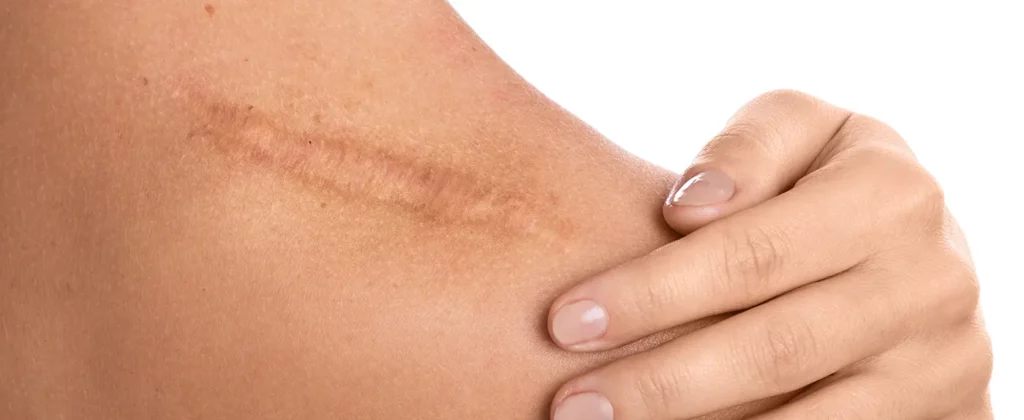
A workers comp Mohs surgery evaluation helps determine whether Mohs micrographic surgery may be appropriate for a worker diagnosed with skin cancer. If you developed skin cancer after significant workplace sun exposure or another occupational risk, you may have questions about your diagnosis, treatment options, and workers’ compensation process.
A thorough evaluation begins with your medical history, skin cancer diagnosis, and details about your workplace exposure. Your dermatologist or Mohs surgeon can then determine whether Mohs surgery is medically appropriate and help document the recommended treatment.
What Is a Workers Comp Mohs Surgery Evaluation?
A workers’ compensation Mohs evaluation is a medical assessment focused on your skin cancer and the treatment that may be needed. It is important to understand that medical necessity should be based on the characteristics of the cancer and accepted clinical guidelines, not simply on whether a workers’ compensation claim exists.
During the evaluation, your physician may review:
- Your skin cancer diagnosis and pathology report
- The location and size of the tumor
- Whether the cancer has returned after previous treatment
- How clearly the tumor is defined
- Previous skin cancer treatments
- Your medical and occupational history
- The amount and type of workplace exposure
- Whether tissue preservation is especially important because of the tumor’s location
Your doctor may also examine the affected area and surrounding skin to help develop an appropriate treatment plan.
When Is Mohs Surgery Recommended?
Mohs micrographic surgery is a specialized technique used to remove certain skin cancers while examining the tissue margins during the procedure. It can provide a high level of margin control while preserving as much healthy tissue as possible.
Mohs surgery is commonly considered for certain basal cell carcinomas and squamous cell carcinomas, particularly when the cancer is located in areas where preserving healthy tissue is important.
Factors That May Support Mohs Surgery
A Mohs surgeon may consider the procedure when a skin cancer:
- Occurs on the nose, eyelids, lips, ears, or other cosmetically or functionally important areas
- Has an aggressive growth pattern
- Has returned after previous treatment
- Has poorly defined borders
- Is considered high-risk based on its location or other tumor characteristics
- Requires careful examination of surgical margins
Not every skin cancer requires Mohs surgery. Depending on the diagnosis, standard excision, radiation therapy, topical treatment, or another approach may be appropriate.
What Happens During the Evaluation?
Your consultation will usually begin with a discussion of your diagnosis and symptoms. Bring any available pathology reports, previous treatment records, photographs, and information about your workplace exposure.
Medical and Occupational History
Your physician may ask about:
- How long you have worked in your occupation
- Outdoor or ultraviolet (UV) exposure
- Protective clothing or sunscreen use
- When you first noticed the lesion
- Changes in its appearance or symptoms
- Previous skin cancers
- Prior biopsies or treatments
This information can help establish a complete medical record.
Examination and Treatment Planning
The surgeon will examine the lesion and assess factors that may influence treatment. If a biopsy has already been performed, the pathology report is particularly important because it identifies the type and characteristics of the skin cancer.
If Mohs surgery is recommended, your physician can explain the procedure, expected recovery, possible reconstruction, and follow-up care.
Workers’ Compensation and Skin Cancer Documentation
Workers’ compensation claims involving skin cancer can require detailed medical documentation. A medical evaluation does not automatically establish that a skin cancer is work-related. Determining occupational causation may depend on the laws of the applicable state, the worker’s history, medical evidence, and other claim-specific factors.
Good medical records may include:
- Diagnosis and pathology findings
- Tumor location and measurements
- Relevant occupational exposure history
- Previous treatments
- Recommended treatment and its medical rationale
- Follow-up recommendations
If your claim involves an employer, insurer, or workers’ compensation administrator, you may also be asked to provide additional documentation. Your healthcare provider can explain the medical information included in your records, while legal questions about a workers’ compensation claim should be directed to an appropriate qualified professional.
Preparing for Your Mohs Surgery Consultation
You can make your appointment more productive by bringing:
- Pathology or biopsy reports
- Previous dermatology records
- A list of medications and allergies
- Information about previous skin cancer treatment
- Details about your workplace and occupational exposure
- Workers’ compensation claim information, if available
Write down your questions before the visit. You may want to ask why Mohs surgery is recommended, what alternatives exist, how many stages might be needed, and what recovery may involve.
3 Key Takeaways
- Get a thorough evaluation: A workers comp Mohs surgery evaluation can help determine whether Mohs surgery is medically appropriate for your specific skin cancer.
- Bring your records: Pathology reports, previous treatment information, and occupational history can help your surgeon understand your case.
- Understand your treatment plan: Ask about Mohs surgery, alternative treatments, recovery, and the medical reasons behind the recommended approach.
Schedule a Consultation With Unified Health
If you have been diagnosed with skin cancer and need a professional evaluation, Unified Health can help you understand your diagnosis and potential treatment options.
Schedule a consultation today: www.unifiedhealthusa.com/online-booking
Medical Disclaimer: This article is for informational purposes only and does not replace professional medical advice, diagnosis, or treatment. Every patient and skin cancer diagnosis is different. Speak with a qualified healthcare professional for advice about your individual condition and treatment options.