A diagnosis of skin cancer can be stressful, especially when surgery is being considered. Fortunately, some patients may have non-surgical treatment options. Image guided SRT for skin cancer is an advanced form of superficial radiation therapy that uses imaging technology to help guide treatment of certain non-melanoma skin cancers.
This approach may be considered for select patients with basal cell carcinoma (BCC) or squamous cell carcinoma (SCC), particularly when surgery may be less desirable or when preserving the appearance of the treated area is important. A dermatologist or radiation specialist can evaluate the cancer and determine whether image guided SRT is appropriate.
What Is Image Guided SRT for Skin Cancer?
Image guided superficial radiation therapy (SRT) uses low-energy radiation to target cancer cells near the surface of the skin. Unlike radiation treatments designed to reach tumors deep inside the body, SRT is specifically suited to certain skin cancers.
The “image guided” part refers to the use of imaging or treatment-planning technology to help assess the lesion and guide radiation delivery. This allows the treatment team to carefully target the affected area while limiting unnecessary exposure to surrounding tissue.
SRT may be used to treat selected cases of:
- Basal cell carcinoma
- Squamous cell carcinoma
- Certain other superficial skin tumors, depending on individual circumstances
Your dermatologist will consider factors such as the cancer type, size, location, depth, and whether it has returned before.
How Does Image Guided SRT Work?
Before treatment begins, your medical team evaluates the skin cancer and develops an individualized treatment plan. Imaging and measurements can help determine the treatment area and appropriate radiation dose.
During each treatment session:
- The treatment area is carefully positioned.
- The radiation device is aligned with the target.
- A controlled dose of superficial radiation is delivered.
- The surrounding skin is monitored throughout the treatment course.
Treatment is typically delivered over multiple sessions rather than as one procedure. The exact schedule depends on the cancer and the treatment plan.
Does SRT Hurt?
Most patients do not feel the radiation itself. However, skin reactions can develop gradually during treatment.
Depending on the treatment area and individual response, patients may experience:
- Redness
- Dryness or irritation
- Tenderness
- Temporary skin changes
- Peeling or crusting
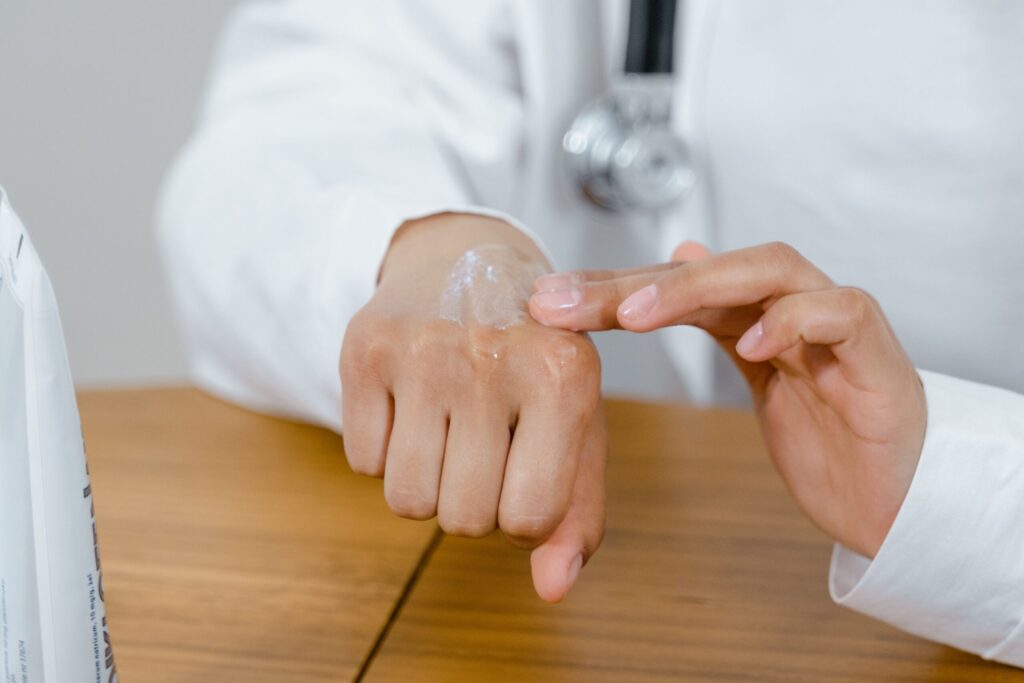
Your care team can recommend ways to protect and soothe the treated skin.
Who May Benefit From SRT?
SRT is not appropriate for every skin cancer. It may be considered for patients who have certain early-stage or localized non-melanoma skin cancers.
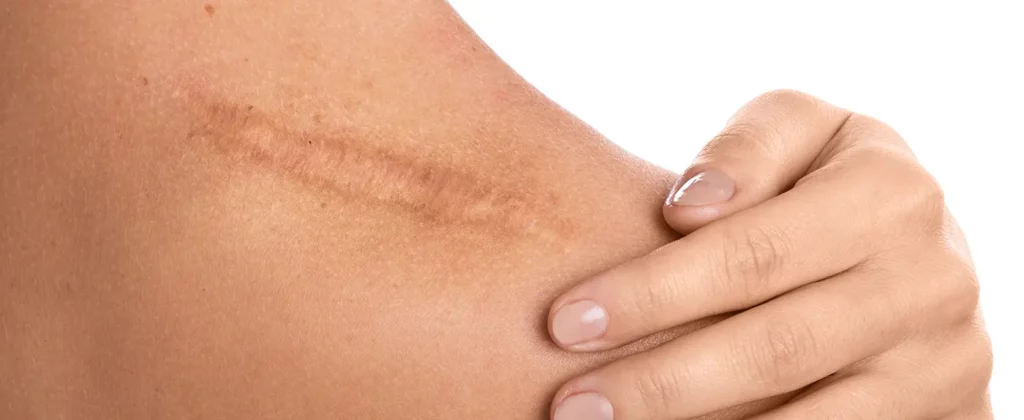
It can be particularly relevant when treatment involves areas where surgery could result in a noticeable scar or when a patient cannot undergo surgery for medical reasons.
However, Mohs surgery remains an important treatment option for many skin cancers, particularly tumors in high-risk locations or cancers with characteristics that require complete microscopic margin evaluation.
The best treatment depends on the individual patient—not simply on the size or appearance of the lesion.
Image Guided SRT vs. Skin Cancer Surgery
Both radiation therapy and surgery can be effective for appropriately selected skin cancers, but they work differently.
Surgery physically removes the tumor. Techniques such as Mohs micrographic surgery allow the surgeon to examine tissue margins during the procedure.
SRT treats the cancer with targeted radiation without surgically removing the lesion.
Potential considerations include:
- Tumor location and characteristics
- Cancer recurrence risk
- Cosmetic concerns
- Overall health
- Previous treatments
- Patient preferences
- Whether the cancer can be completely treated with radiation
A dermatologist should discuss the benefits, risks, alternatives, and expected outcomes of each appropriate treatment option with you.
What Can You Expect After Treatment?
Skin changes may continue for a period after your treatment course is completed. Your healthcare provider may recommend specific skin-care instructions and follow-up appointments to monitor healing and check for any signs of recurrence.
It is also important to continue regular skin cancer screenings. Having one skin cancer can increase your risk of developing additional skin cancers.
Protect your skin by:
- Using broad-spectrum sunscreen with SPF 30 or higher
- Wearing protective clothing and hats
- Avoiding intentional tanning
- Avoiding indoor tanning beds
- Checking your skin regularly for new or changing spots
Contact your dermatologist if you notice a sore that does not heal, a spot that bleeds repeatedly, or a growth that changes in size, shape, or color.
Three Key Takeaways
- Image guided SRT for skin cancer is a non-surgical treatment option that may be appropriate for selected basal cell and squamous cell carcinomas.
- Treatment decisions are individualized. Tumor characteristics, location, overall health, cosmetic considerations, and other factors help determine whether SRT or another treatment is appropriate.
- Ongoing skin monitoring matters. Continue routine dermatology visits and protect your skin from ultraviolet radiation after treatment.
Schedule a Skin Cancer Consultation
If you have been diagnosed with skin cancer or are exploring alternatives to surgery, discussing your options with an experienced dermatology team is an important next step.
Unified Health can help you understand your diagnosis and explore appropriate treatment options based on your individual needs.
Schedule a consultation with Unified Health:
www.unifiedhealthusa.com/online-booking
Medical Disclaimer: This article is for informational purposes only and does not replace professional medical advice, diagnosis, or treatment. Always consult a qualified healthcare professional for advice regarding your individual medical condition.