If you’ve noticed a new mole, a changing skin spot, or a lump under your skin, you may be wondering whether it’s time to see a specialist. Dermatologist mole and cyst removal is a safe and effective way to diagnose, treat, and remove suspicious or bothersome skin growths. While many moles and cysts are harmless, some require medical evaluation to rule out skin cancer or prevent infection and discomfort.
At Unified Health, our dermatology team provides expert evaluation and treatment for moles, cysts, skin tags, and other skin growths. Understanding when removal is recommended can help you protect your skin and your overall health.
What Are Moles and Skin Cysts?
Moles and cysts are common skin growths, but they are very different.
Moles
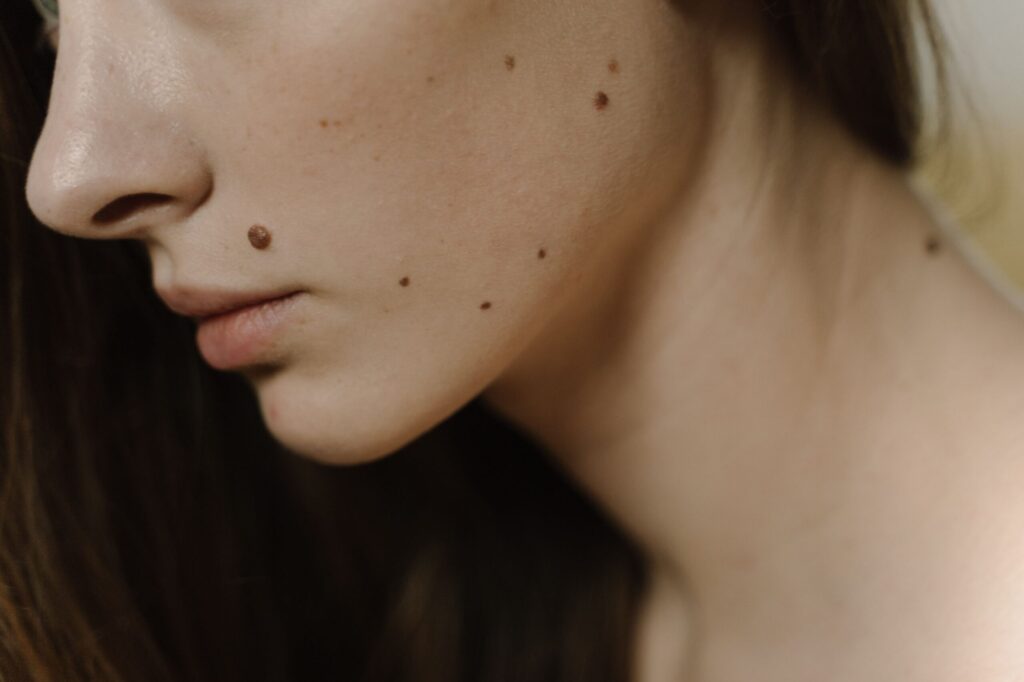
A mole (also called a nevus) is a cluster of pigment-producing skin cells. Most people have between 10 and 40 moles.
Most moles are:
- Brown, tan, or black
- Flat or slightly raised
- Round or oval
- Stable in size and color
However, some moles can change over time and may require evaluation.
Skin Cysts
A cyst is a closed sac beneath the skin that contains keratin, oil, or other material. The most common type is an epidermoid cyst.
Cysts may:
- Feel soft or firm
- Move slightly under the skin
- Grow slowly
- Become inflamed or infected
- Occasionally drain material
Although cysts are usually benign, they can become painful or repeatedly infected.
When Is Dermatologist Mole and Cyst Removal Recommended?
Not every mole or cyst needs treatment. A dermatologist may recommend removal when a lesion is:
Suspicious for Skin Cancer
The ABCDE warning signs include:
- A – Asymmetry
- B – Irregular borders
- C – Multiple or uneven colors
- D – Diameter larger than 6 mm
- E – Evolving or changing over time
Any mole with these features should be evaluated promptly.
Painful or Frequently Irritated
Removal may be recommended if a mole or cyst:
- Rubs against clothing
- Bleeds repeatedly
- Causes pain
- Becomes inflamed
- Interferes with shaving
Infected
An infected cyst can become:
- Red
- Warm
- Swollen
- Tender
- Filled with drainage
Professional treatment helps prevent complications and recurrence.
Cosmetic Concerns
Many patients choose removal because a mole or cyst affects their confidence, especially when located on the face, neck, or other visible areas.
How Dermatologists Remove Moles
The best treatment depends on the mole’s appearance, location, and whether skin cancer is suspected.
Shave Removal
A shave removal involves carefully removing a raised mole from the skin’s surface using a specialized blade.
This procedure is often used for:
- Raised benign moles
- Cosmetic concerns
- Non-cancerous growths
Healing usually occurs within a few weeks.
Surgical Excision
If a mole appears suspicious or extends deeper into the skin, your dermatologist may recommend surgical excision.
During this procedure:
- Local anesthesia numbs the area.
- The mole and a small margin of surrounding tissue are removed.
- The wound is closed with stitches.
- The tissue may be sent to a laboratory for examination.
This approach provides the most complete removal when medically necessary.
How Dermatologists Remove Cysts
Unlike simply draining a cyst, complete removal targets the entire cyst wall to reduce the chance of recurrence.
Incision and Drainage
If a cyst is infected or painful, your dermatologist may first relieve pressure by draining it.
However, drainage alone may not permanently remove the cyst.
Complete Surgical Removal
For long-term treatment, the dermatologist removes:
- The cyst contents
- The cyst sac (capsule)
Removing the entire cyst significantly lowers the risk that it will return.
What to Expect During Recovery
Most mole and cyst removal procedures are completed in the office using local anesthesia.
Recovery is generally straightforward.
After treatment:
- Keep the area clean.
- Follow wound care instructions.
- Avoid picking at the healing skin.
- Protect the area from excessive sun exposure.
- Attend any recommended follow-up visits.
Most patients return to normal activities the same day or the following day.
Can Mole and Cyst Removal Prevent Future Problems?
Yes. Early evaluation and treatment can:
- Detect skin cancer sooner
- Prevent repeated infections
- Relieve discomfort
- Improve cosmetic appearance
- Provide peace of mind
Even if a mole or cyst turns out to be harmless, having it evaluated by a board-certified dermatologist ensures the correct diagnosis.
How to Monitor Your Skin Between Visits
Monthly skin self-exams are an excellent habit.
Watch for:
- New moles
- Rapidly changing spots
- Non-healing sores
- Bleeding lesions
- Fast-growing bumps
- Recurrent cysts
If you notice any concerning changes, schedule a professional skin evaluation promptly.
Trust Unified Health for Expert Skin Care
Whether you’re concerned about a changing mole, a bothersome cyst, or another skin growth, early evaluation is the safest approach. At Unified Health, our experienced dermatology providers offer personalized care using evidence-based techniques to diagnose and treat a wide range of skin conditions.
3 Key Takeaways
- Most moles and cysts are harmless, but changing or painful lesions should always be evaluated by a dermatologist.
- Professional removal is safer and more effective than attempting to remove skin growths at home.
- Routine skin checks and early treatment can help detect skin cancer and prevent future complications.
Schedule Your Consultation Today
If you’re concerned about a mole, cyst, or unusual skin growth, don’t wait for symptoms to worsen. Schedule a consultation with Unified Health to receive expert evaluation and personalized treatment.
Book your appointment today: www.unifiedhealthusa.com/online-booking
Medical Disclaimer: This article is intended for informational and educational purposes only and should not be considered medical advice. It is not a substitute for evaluation, diagnosis, or treatment by a qualified healthcare professional. Always consult your dermatologist or healthcare provider regarding concerns about moles, cysts, or other skin conditions.