A diagnosis of skin cancer on your face can feel overwhelming. The good news is that mohs surgery for facial skin cancer is one of the most effective treatments available. This specialized procedure offers the highest cure rates for many common skin cancers while preserving as much healthy skin as possible. Because the face contains important cosmetic and functional structures, Mohs surgery is often the preferred treatment for cancers on the nose, eyelids, lips, ears, cheeks, and forehead.
If you’ve recently been diagnosed with skin cancer, understanding your treatment options can help you feel more confident about your care.
What Is Mohs Surgery for Facial Skin Cancer?
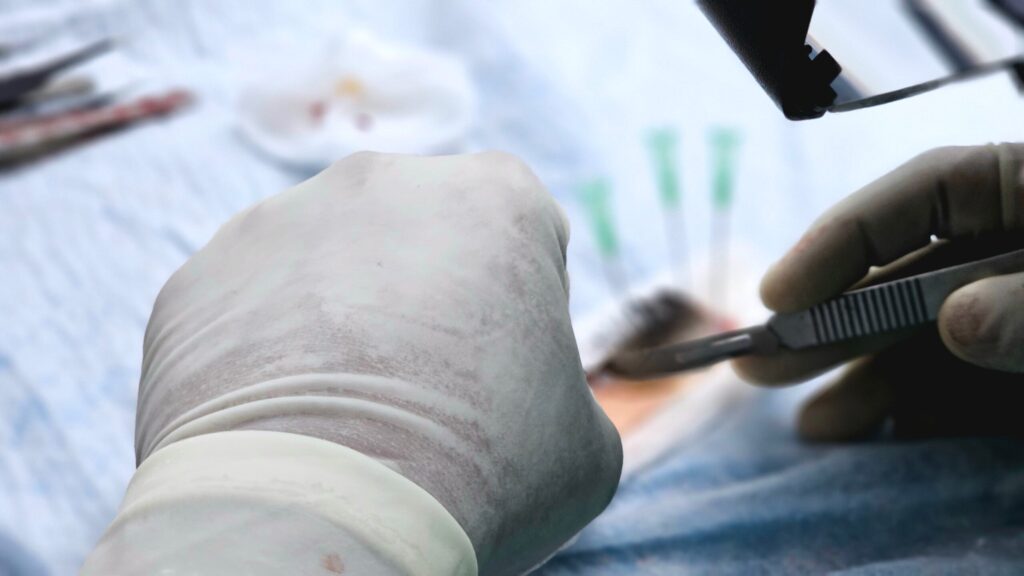
Mohs surgery is a specialized surgical procedure used to remove certain types of skin cancer one layer at a time. Each layer is immediately examined under a microscope during the procedure. This process continues until no cancer cells remain.
Unlike traditional excision, Mohs surgery allows the surgeon to:
- Remove all visible cancer
- Preserve as much healthy tissue as possible
- Achieve excellent cosmetic results
- Reduce the chance of recurrence
This precise approach makes Mohs surgery especially valuable for treating cancers on the face, where every millimeter of healthy skin matters.
Which Skin Cancers Are Treated?
Mohs surgery is commonly recommended for:
- Basal cell carcinoma (BCC)
- Squamous cell carcinoma (SCC)
- Selected cases of melanoma in situ
- Certain rare or aggressive skin cancers
It is particularly useful when the cancer:
- Is located on the face
- Has returned after previous treatment
- Has poorly defined borders
- Is large or rapidly growing
- Has aggressive features under the microscope
Why Is Mohs Surgery Ideal for Facial Skin Cancer?
The face contains delicate structures that affect appearance, speech, vision, and facial movement. Removing too much tissue can lead to unnecessary cosmetic changes or functional problems.
Maximum Tissue Preservation
Mohs surgery removes only tissue containing cancer cells. This helps preserve healthy skin and often results in a smaller surgical wound than standard excision.
Highest Cure Rates
Mohs surgery provides outstanding long-term outcomes.
Typical cure rates include:
- Up to 99% for many newly diagnosed basal cell carcinomas
- Up to 94–97% for recurrent skin cancers
These success rates make Mohs surgery the gold standard for many facial skin cancers.
What Happens During the Procedure?
Many patients are surprised to learn that Mohs surgery is performed in an outpatient setting using local anesthesia.
Step 1: Numbing the Area
The surgeon injects local anesthetic around the skin cancer so you remain comfortable throughout the procedure.
Step 2: Removing the Visible Cancer
The surgeon removes the visible tumor along with a very thin layer of surrounding tissue.
Step 3: Immediate Microscopic Examination
The tissue is carefully processed and examined under a microscope while you wait.
If cancer cells remain, the surgeon identifies their exact location and removes another thin layer only where needed.
This process repeats until the margins are completely clear.
Step 4: Reconstruction
Once the cancer has been fully removed, the surgeon determines the best way to repair the surgical site.
Depending on the size and location, reconstruction may involve:
- Simple stitches
- A skin flap
- A skin graft
- Allowing the wound to heal naturally
Your surgeon will recommend the option that provides the best cosmetic and functional outcome.
Recovery After Mohs Surgery
Recovery is generally straightforward, and most patients return home the same day.
During healing, you may experience:
- Mild swelling
- Bruising
- Tenderness
- Minor bleeding during the first 24 hours
Most discomfort is easily managed with over-the-counter pain medication unless your physician recommends otherwise.
To promote healing:
- Keep the wound clean
- Follow your wound care instructions carefully
- Avoid strenuous activity for several days
- Attend all follow-up appointments
Most facial wounds heal very well over time, and scars typically continue to improve for several months.
Who Is a Good Candidate?
Your dermatologist or Mohs surgeon may recommend Mohs surgery if you have:
- Skin cancer on the nose, lips, eyelids, ears, scalp, or cheeks
- Recurrent skin cancer
- Large or aggressive tumors
- Skin cancers with poorly defined edges
- Areas where preserving healthy tissue is especially important
Every patient is unique, so treatment recommendations are based on the type, size, location, and behavior of the skin cancer.
Preventing Future Skin Cancer
Having one skin cancer increases your risk of developing another.
You can help protect your skin by:
- Applying broad-spectrum sunscreen (SPF 30 or higher) every day
- Wearing protective clothing and wide-brimmed hats
- Avoiding tanning beds
- Seeking shade during peak sunlight hours
- Performing monthly skin self-exams
- Scheduling regular full-body skin examinations with your dermatologist
Early detection often leads to simpler treatment and better outcomes.
When Should You See a Specialist?
You should schedule an evaluation if you notice:
- A sore that does not heal
- A bleeding or crusted spot
- A new bump that continues to grow
- A changing mole or skin lesion
- A previous skin cancer that appears to return
Prompt evaluation can make treatment easier and more effective.
Takeaways
- Mohs surgery for facial skin cancer offers one of the highest cure rates while preserving as much healthy skin as possible.
- Early diagnosis and treatment can improve both medical and cosmetic outcomes.
- Regular skin checks and sun protection are essential to reduce your risk of future skin cancers.
Schedule Your Consultation at Unified Health
If you have been diagnosed with facial skin cancer or have a suspicious skin lesion, the experienced team at Unified Health is here to help. We provide expert evaluation and advanced treatment options, including Mohs surgery, with a personalized approach focused on your health and appearance.
Schedule your consultation today:
www.unifiedhealthusa.com/online-booking
Medical Disclaimer: This article is intended for informational and educational purposes only and should not be considered medical advice. It is not a substitute for professional evaluation, diagnosis, or treatment by a qualified healthcare provider. Always consult your physician or a board-certified specialist regarding any questions or concerns about your health.