General Dermatology

Your comprehensive guide to the essentials of skin health. Covering a wide range of common skin conditions such as acne, psoriasis, eczema, and skin cancer, our articles provide in-depth knowledge about diagnosis, treatment, and prevention. Whether you’re a patient seeking reliable information, a caregiver looking for support, or a healthcare professional aiming to stay updated on the latest in dermatological care, you’ll find valuable insights and tips here. Learn about the fundamentals of skin health, breakthroughs in dermatological research, and practical advice for maintaining healthy skin at every age.

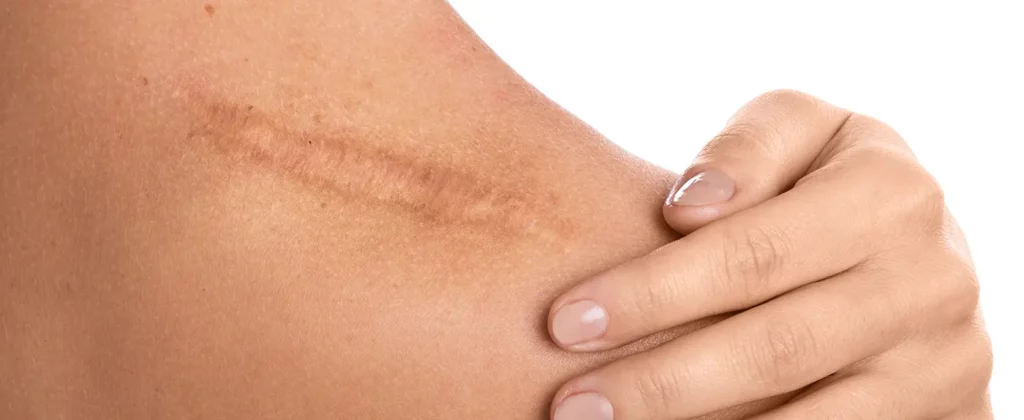
A close-up of a person's shoulder shows a noticeable scar running diagonally across the skin. The person uses their hand to gently hold the edge of their shoulder, with fingers visible and nails well-groomed. The background is plain white, emphasizing the area that underwent scar treatment.

Mohs Surgery Scar Reconstruction: What Patients Should Know

A skin cancer diagnosis can be stressful, and many patients also worry about how surgery may affect their appearance. Mohs surgery scar reconstruction is an important part of care for some patients after skin cancer is removed. Reconstruction can help restore the skin’s appearance and, when needed, protect normal function. Mohs micrographic surgery is designed […]

Mohs Surgery Scar Reconstruction: What Patients Should Know Read More »
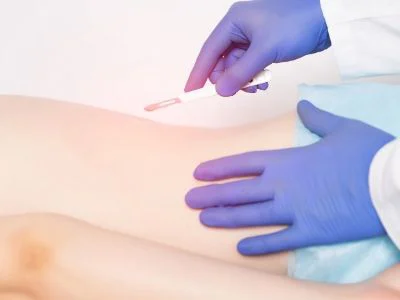
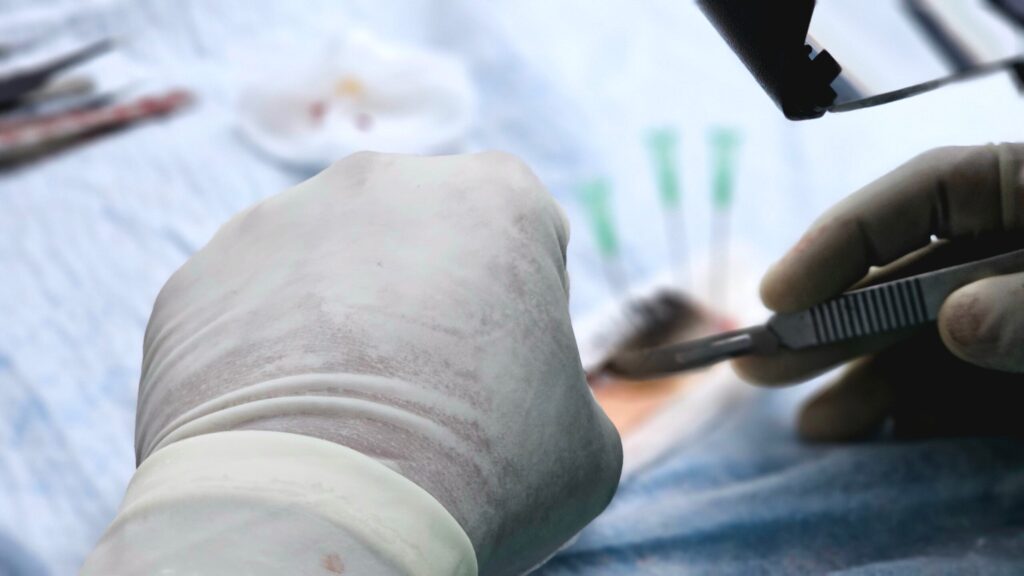
A medical professional wearing blue gloves is holding a scalpel and making an incision on a person's lower back, while pain management procedures are in place. The person's body is partly covered with a blue drape, and the surrounding area is illuminated.

Mohs Surgery vs Excisional Surgery: Which Is Right for Skin Cancer?

If you have been diagnosed with skin cancer, you may be comparing Mohs surgery vs excisional surgery. Both are established surgical treatments used to remove skin cancer, but they differ in how the tumor is removed, how much healthy tissue is preserved, and how the surgical margins are checked. Understanding these differences can help you

Mohs Surgery vs Excisional Surgery: Which Is Right for Skin Cancer? Read More »

A close-up image of a medical device being used on a person's skin. The device appears to be a dermatoscope, commonly used for examining skin conditions and lesions. The background is blurry, focusing on the procedure area, potentially crucial evidence in a personal injury case handled by a lawyer.

Mohs Surgery for Recurrent Skin Cancer: What Patients Should Know

A skin cancer that returns after previous treatment can be especially concerning. Mohs surgery for recurrent skin cancer is a highly specialized treatment that can provide precise removal of cancerous cells while preserving as much healthy skin as possible. Recurrent skin cancer may be more difficult to treat because cancer cells can grow into surrounding

Mohs Surgery for Recurrent Skin Cancer: What Patients Should Know Read More »
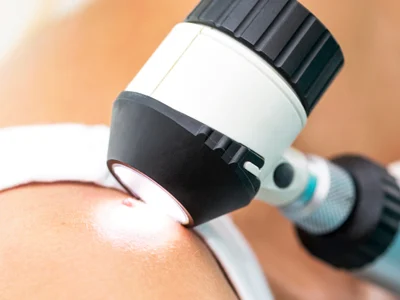
Basal Cell Carcinoma Mohs Surgery: What Patients Should Know

A diagnosis of basal cell carcinoma (BCC) can feel overwhelming, but it is one of the most common and highly treatable types of skin cancer. Basal cell carcinoma Mohs surgery is a specialized treatment that can remove cancer while preserving as much healthy skin as possible. Mohs surgery is especially useful for skin cancers in

Basal Cell Carcinoma Mohs Surgery: What Patients Should Know Read More »
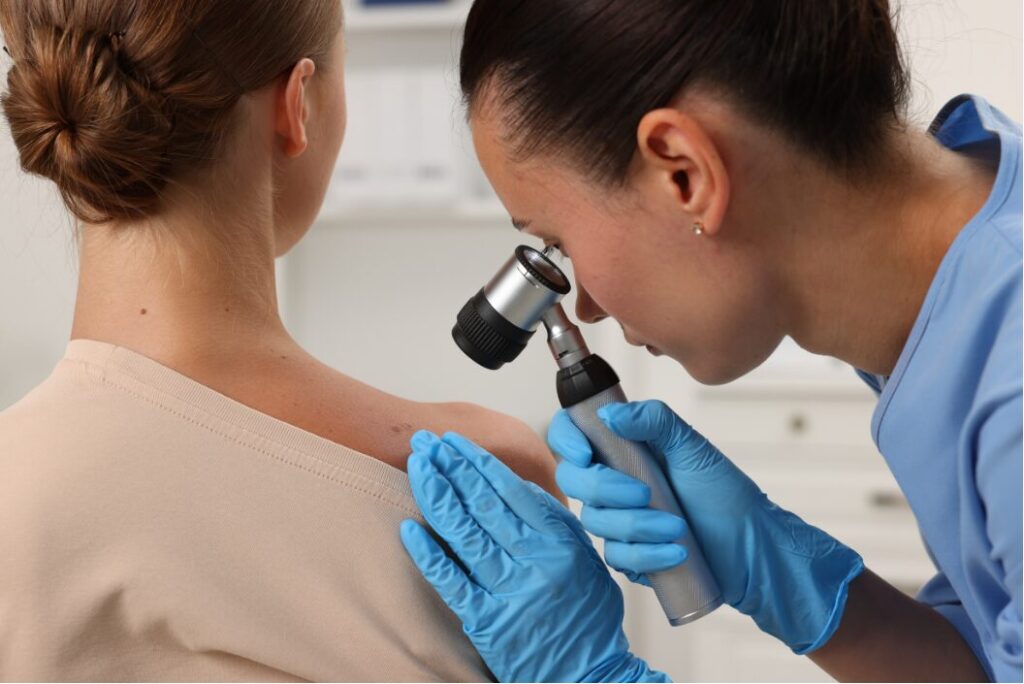
Squamous Cell Carcinoma Mohs Procedure: What Patients Should Know

A diagnosis of squamous cell carcinoma (SCC) can feel overwhelming, but many SCCs are highly treatable when found early. The squamous cell carcinoma Mohs procedure is a specialized skin cancer treatment that removes cancerous tissue layer by layer while preserving as much healthy skin as possible. Mohs micrographic surgery is often recommended for SCCs that

Squamous Cell Carcinoma Mohs Procedure: What Patients Should Know Read More »
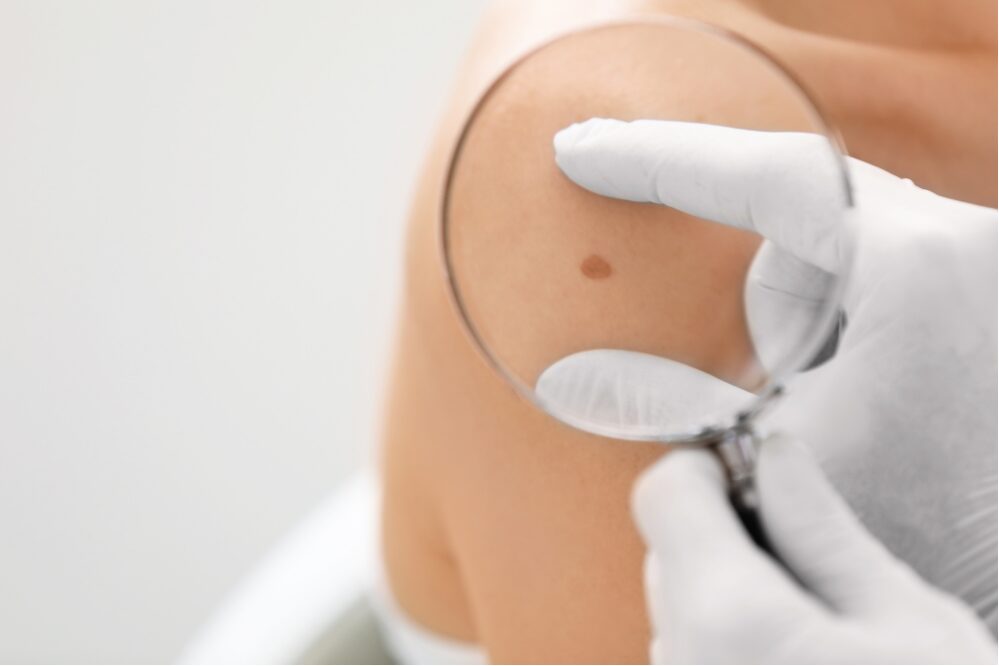
Mohs Surgery for Facial Skin Cancer: What Patients Need to Know

A diagnosis of skin cancer on your face can feel overwhelming. The good news is that mohs surgery for facial skin cancer is one of the most effective treatments available. This specialized procedure offers the highest cure rates for many common skin cancers while preserving as much healthy skin as possible. Because the face contains

Mohs Surgery for Facial Skin Cancer: What Patients Need to Know Read More »

Dermatologist Mole and Cyst Removal: When Should You See a Specialist?

If you’ve noticed a new mole, a changing skin spot, or a lump under your skin, you may be wondering whether it’s time to see a specialist. Dermatologist mole and cyst removal is a safe and effective way to diagnose, treat, and remove suspicious or bothersome skin growths. While many moles and cysts are harmless,

Dermatologist Mole and Cyst Removal: When Should You See a Specialist? Read More »

Actinic Keratosis Treatment: How to Treat Sun-Damaged Skin Before It Becomes Skin Cancer

If you’ve noticed rough, scaly patches that won’t go away, you may be wondering if they are simply age spots or something more serious. Actinic keratosis treatment is important because these sun-damaged spots are considered precancerous and can sometimes develop into skin cancer if left untreated. Fortunately, early diagnosis and treatment can help protect your

Actinic Keratosis Treatment: How to Treat Sun-Damaged Skin Before It Becomes Skin Cancer Read More »

Melasma Treatment Options: How to Fade Dark Patches Safely

If you’re searching for effective melasma treatment options, you’re not alone. Melasma is a common skin condition that causes brown or gray-brown patches, usually on the cheeks, forehead, upper lip, nose, and chin. While melasma is harmless, it can affect your confidence and quality of life. The good news is that many melasma treatment options

Melasma Treatment Options: How to Fade Dark Patches Safely Read More »

Rosacea Treatment Options: A Complete Guide to Managing Redness and Flare-Ups

If you are searching for the best rosacea treatment options, you’re not alone. Rosacea is a common, long-term skin condition that affects millions of people. It often causes facial redness, visible blood vessels, bumps that resemble acne, and skin sensitivity. Although rosacea cannot be cured, the right treatment plan can significantly reduce symptoms, prevent flare-ups,

Rosacea Treatment Options: A Complete Guide to Managing Redness and Flare-Ups Read More »

IQ Laser Vision Consent Form


This will close in 20 seconds

This will close in 0 seconds

This will close in 0 seconds

This will close in 0 seconds

This will close in 0 seconds

This will close in 0 seconds

This will close in 0 seconds


Fill out the form below to claim your free downloadable guide and get immediate access.


This will close in 0 seconds

Scroll to Top